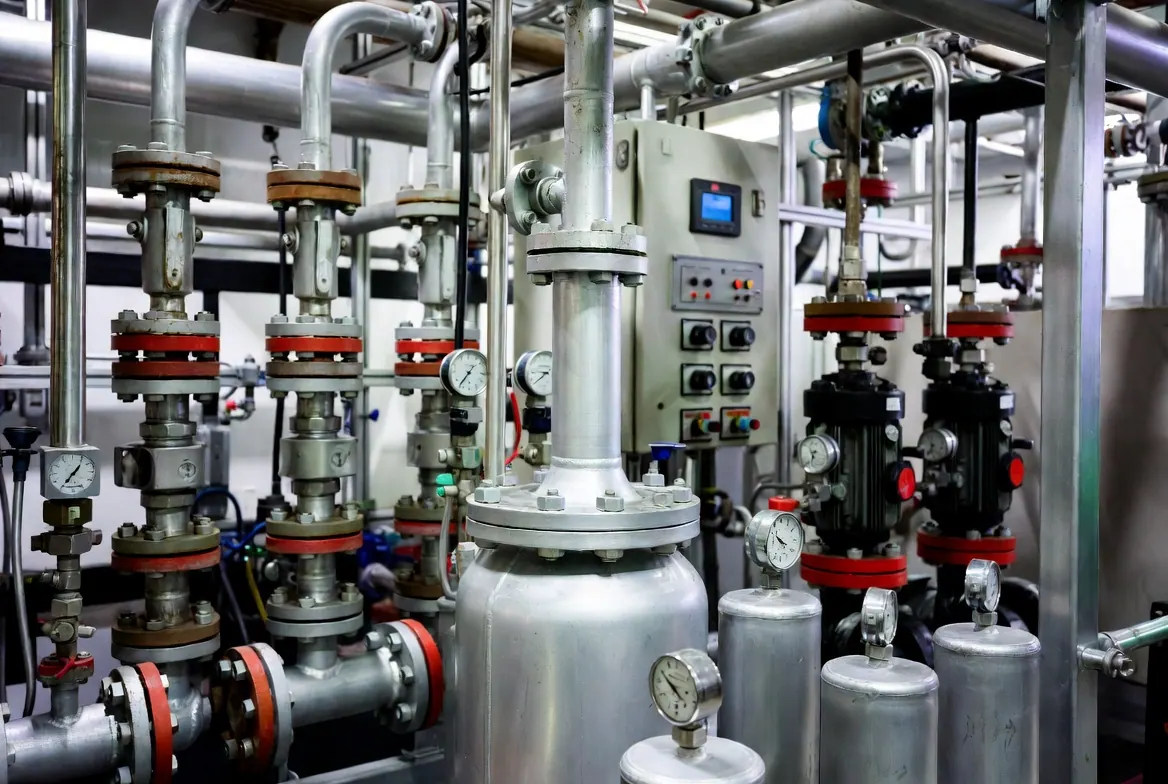
Deoiling and Separation
Review free oil, emulsions and solids before selecting gravity separation, coalescing, hydrocyclones or flotation. Request evidence for the accepted feed and outlet duty.
Discuss this treatment dutySelect produced-water treatment around your inlet chemistry, flow variation and required reuse, reinjection or discharge quality. Define the process, utilities and residuals route before requesting a quotation.
Representative water analysis · Defined treatment duty · Agreed acceptance evidence
Henan Vance Petroleum Machinery Co., Ltd. reviews oilfield wastewater treatment requirements against the actual produced-water stream and intended outlet. Treatment equipment should be selected for a defined process duty rather than a universal removal percentage.
Provide representative water analyses, normal and peak flow, upstream chemicals, temperature and operating schedule. Identify whether the treated water will be reused, reinjected or sent to an approved discharge route. Each destination can require different treatment and acceptance criteria.
A proposed package may include separation, conditioning, flotation, filtration or justified membrane and thermal stages. Review what each stage removes, the residual streams it creates and the utilities it needs. Confirm the selected configuration and evidence in the supplier offer.
Process selection · Installed interfaces · Inspection and operating documents
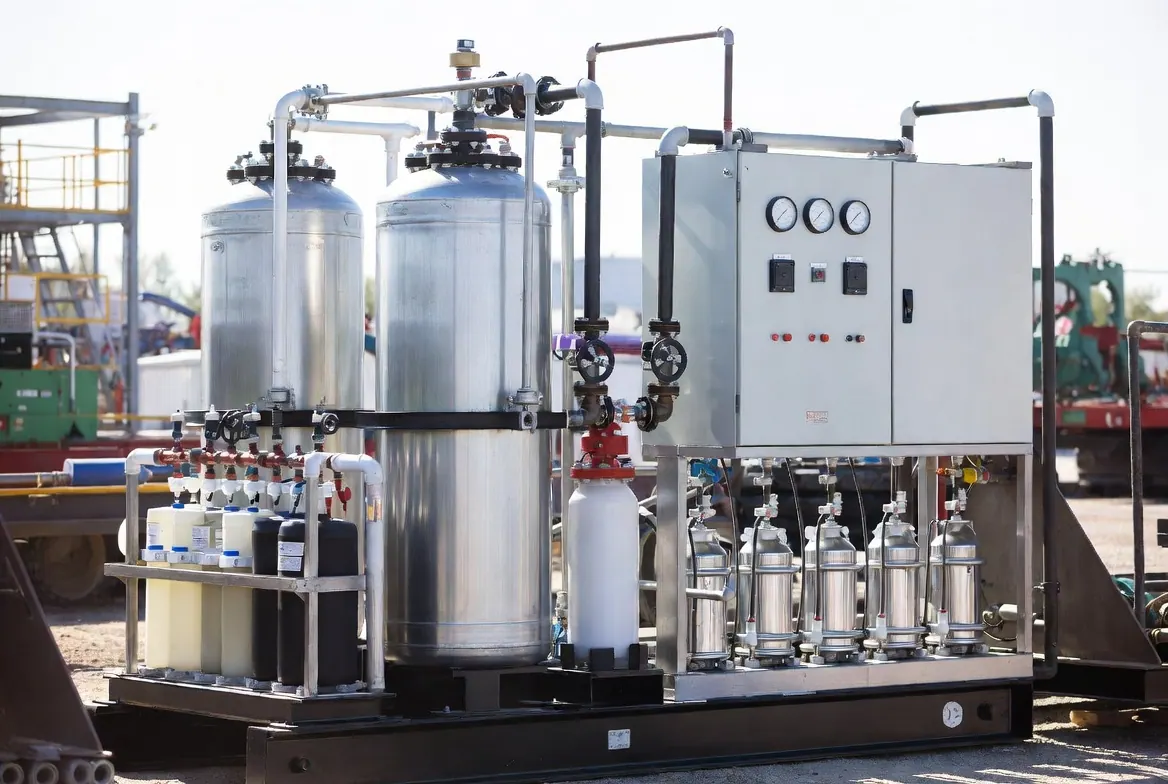
Select the equipment scope against representative inlet conditions and the required destination.
Review free oil, emulsions and solids before selecting gravity separation, coalescing, hydrocyclones or flotation. Request evidence for the accepted feed and outlet duty.
Discuss this treatment dutySelect the required solids and residual-oil control against downstream equipment and the actual water. Confirm media or membrane requirements, cleaning, backwash and replacement scope.
Discuss this treatment duty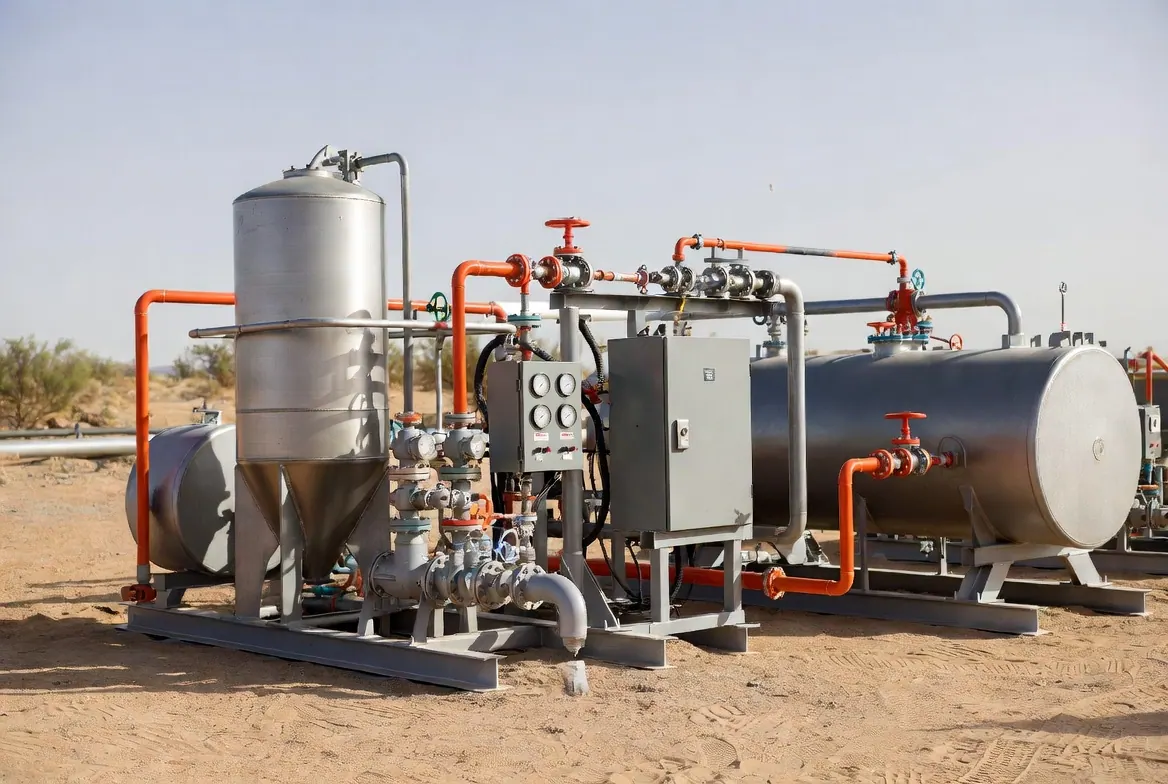
Define the complete operating footprint, external tanks, site connections and handling requirements. Agree installation and commissioning work rather than assuming arrival means immediate operation.
Discuss this treatment duty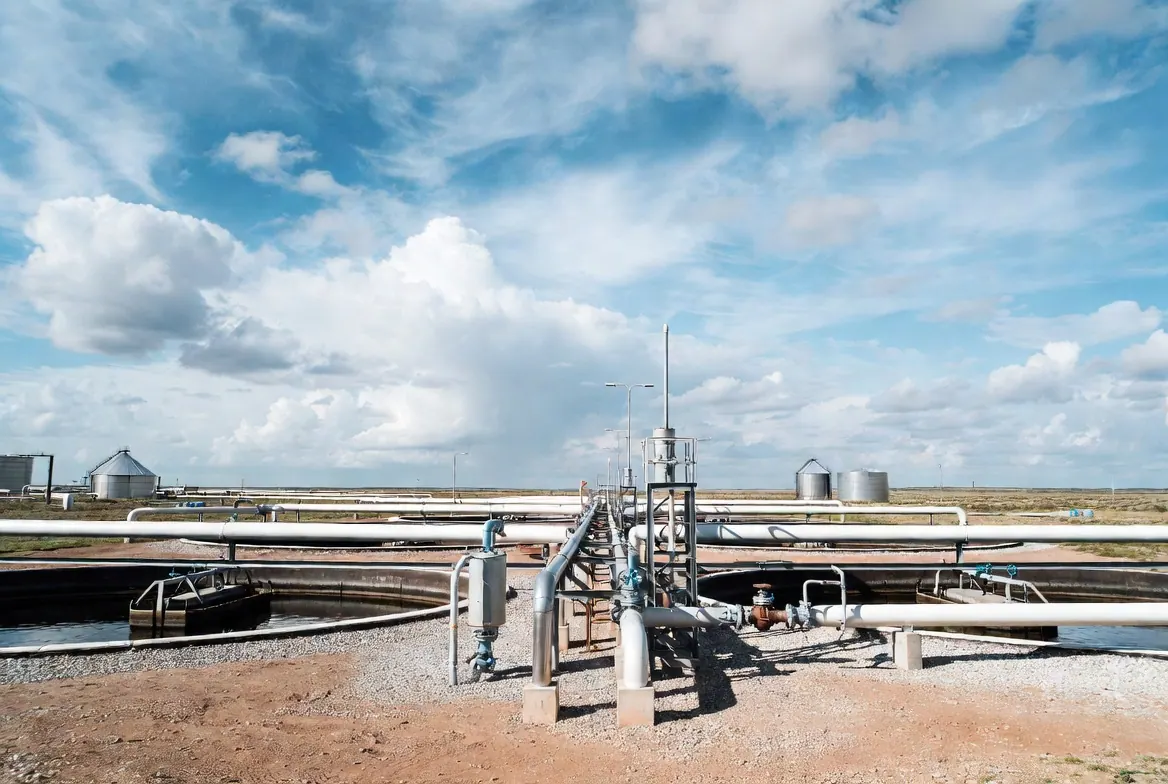
Obtain the receiving process requirements and review compatibility, solids, dissolved constituents and chemical carryover. Removal of visible oil does not establish suitability for every reuse destination.
Discuss this treatment duty
Assess dissolved salts, scaling constituents, pretreatment, energy and concentrate destinations before including membrane or thermal treatment. Recovery must be tied to the actual feed and residuals balance.
Discuss this treatment dutyIdentify the existing equipment, hydraulic limits, utilities and tie-in locations. Review interfaces, installation changes, evidence and responsibilities before ordering an additional treatment module.
Discuss this treatment dutyEstablish representative flow cases, oil fractions, solids, salinity, dissolved constituents and upstream chemicals. Confirm analytical methods and sampling conditions with the responsible specialists.
Assess the separation and solids-removal stages justified by the feed. Distinguish free oil from stable emulsions and dissolved constituents; a single separator does not address every contaminant.
Where needed, agree trial-supported conditioning and flotation duties. Identify chemical compatibility, control requirements and the removed oil and sludge streams without assuming a fixed reagent sequence.
Select filtration or other polishing against the required outlet and downstream sensitivity. Review cleaning, backwash, consumables and maintenance access as part of the supplied process.
Consider disinfection, desalination or concentration when the intended water destination requires it. Establish limitations, utilities and residual handling for each selected stage.
Define measurements, analytical methods, operating conditions and responsibilities for demonstrating the agreed performance. Include water and residuals balances, instructions, training and outstanding site work.
Require the supplier to connect its selection to the accepted water envelope and destination requirements.
Compare chemicals, power, cleaning, replacement parts and residual costs using the same feed and operating schedule.
Confirm hydraulic connections, foundations, utilities, storage, access and responsibility for installation.
Agree trials, inspection records and site acceptance relevant to the proposed equipment.
Review changing water cut, chemistry and treatment flow together with the required water destination.
Define variable feed, temporary storage, mobilization interfaces and the actual receiving-process requirements.
Provide the platform specifications, loads, utilities, classification and project-specific outlet requirements for coordinated review.
Confirm available utilities, storage, access, installation work and service resources. Specify domestic camp sewage as a separate duty where applicable.
Obtain the receiving process water criteria and assess the complete treatment train, compatibility and residual routes.
Characterize the actual oily-water source and operating variation; do not assume compatibility with a package selected for another stream.
Provide oil and grease, suspended solids, salinity, dissolved constituents and peak flow data. Reinjection, reuse and discharge require different treatment boundaries; an oil-removal percentage alone does not establish suitability.
Review sludge handling, consumables, utilities and the sampling plan together with outlet targets. Ask for performance evidence under a comparable inlet composition and operating load.
Read equipment selection and operating guidesSend the representative water analysis, flow profile, intended outlet, available utilities and destination. Ask for a defined supply boundary, process evidence, documentation and agreed support. Confirm inspection, delivery and service commitments in the written offer.
Explore Vance Petroleum company and equipment informationExpert Answers to Your Most Important Produced Water Treatment Questions
Project-Specific Configuration • Defined Acceptance Criteria • Documentation • Technical Support
Compare configurations, define the supply boundary and prepare the evidence needed for an equipment quotation.