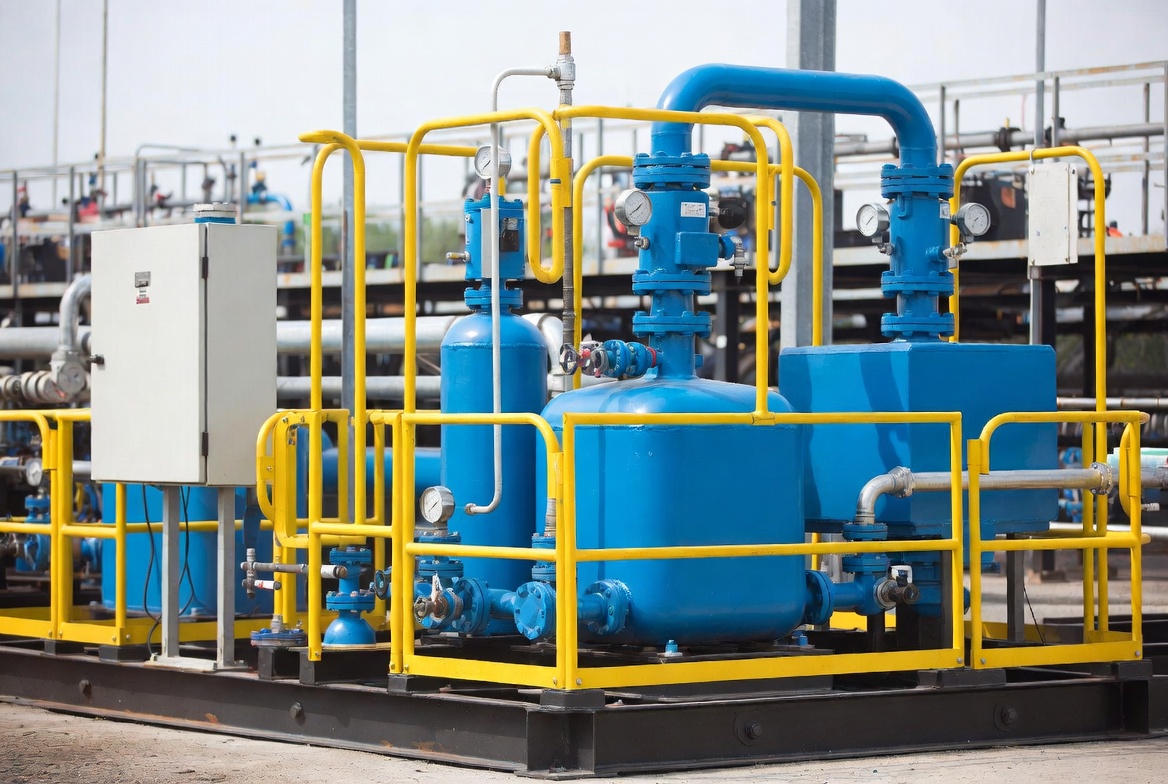
Characterize the solids actually entering the package
Provide solids concentration, particle-size information, composition and expected variation during production or flowback. Include oil, gas and chemical information relevant to the process. Distinguish measured data from assumptions that still require investigation. A description such as high sand content is not sufficient to compare selections, and a sample collected after settling may not represent the solids loading that the proposed equipment must receive during an operating event.
State the available flow and pressure cases
Submit the normal, minimum and peak feed conditions and identify upstream and downstream equipment. Ask the supplier to review the selected separator across those cases and state its required hydraulic conditions. Include startup and changing well conditions where relevant. A desander offered for one nominal operating point should not be assumed suitable for all future production stages without checking the consequences for separation and connected process equipment.
Define the solids collection and removal boundary
Ask how separated material is accumulated, transferred and prepared for the agreed destination. Identify discharge valves, collection equipment, flushing resources and controls included in the offer. Review the liquid carried with the solids and its effect on the water balance. A separator quotation that ends at a discharge connection may leave significant handling work unpriced; assign that work before comparing the complete installed alternatives.
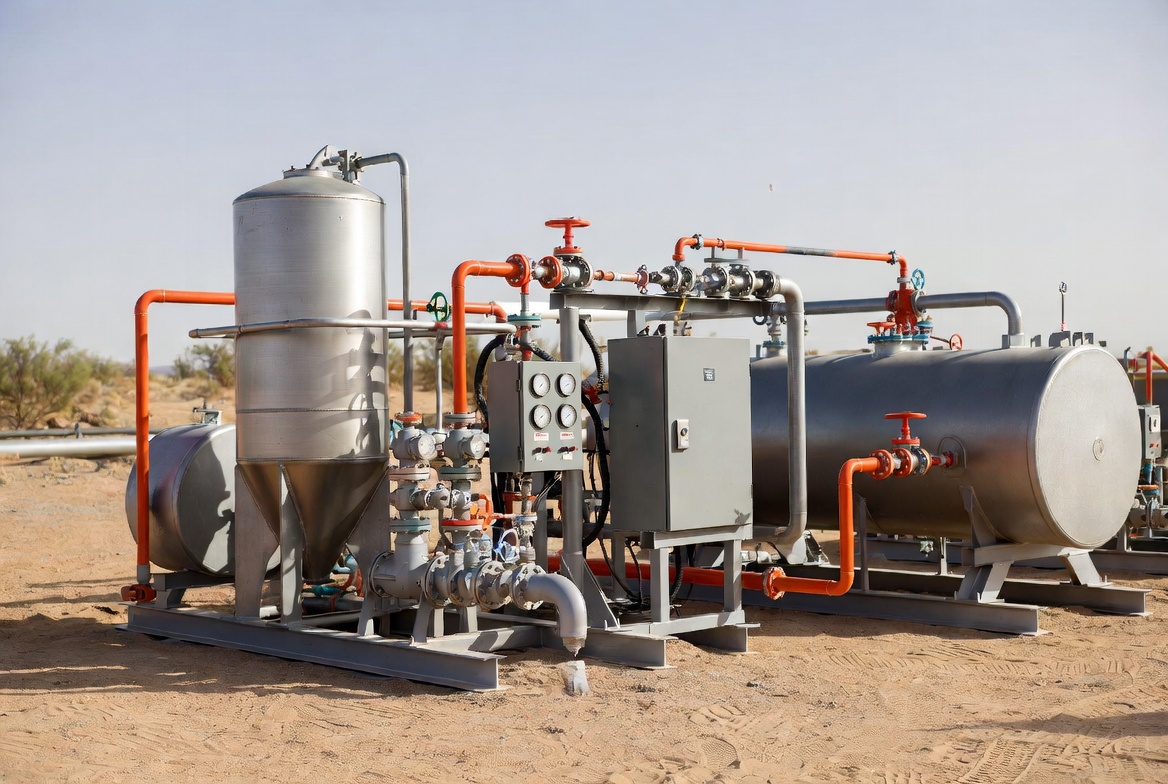
Review wear provisions and maintenance access
Request the offered wear materials, replaceable components and inspection requirements for the actual solids duty. Ask which parts can be changed, what handling and tooling are required and how the equipment must be isolated under approved procedures. Do not convert a hard-material description into an assumed service-life guarantee. Compare wear-part identifiers, supply scope and supporting evidence instead of relying on general promises of erosion resistance.
Agree the performance and inspection evidence
State the separation objective and how it will be evaluated with the proposed sampling and analytical approach. Clarify which feed characteristics and hydraulic cases the supplier accepts. Request component identification, applicable inspection records and site verification responsibilities. If removal claims refer to different solids or test conditions, identify the limitation explicitly. The purchase should preserve the agreed operating envelope and evidence rather than a single percentage without a defined measurement basis.
Protect downstream equipment without shifting an undefined burden
Explain the duty of the next treatment stage and the solids conditions it can accept. Review whether the desander proposal creates intermittent discharge, additional flush water or operational interruptions that affect the wider train. Ask the integrator to coordinate these interfaces and preserve the accepted assumptions in the operating documents. Desanding can be one part of a produced-water system, but it does not establish oil removal, chemical compatibility or the suitability of the final water destination by itself.
Put these items side by side in the bid review
| Purchase item | Question to resolve | Evidence to request |
|---|---|---|
| Solids | Which particles and loading are covered? | Accepted feed characterization |
| Discharge | What handling equipment is included? | Solids and liquid balance |
| Wear | Which components are replaceable? | Tagged wear-parts schedule |
Suggested wording for the quotation request
Please quote a produced-water desander package against the attached solids characterization and flow-pressure cases. Identify the selected arrangement, accepted feed range, wear materials and replacement components. Define solids collection, discharge, flushing and downstream handling boundaries. Provide sampling and verification requirements, inspection records, maintenance access and spare references. State exclusions and distinguish evidence from comparable service from commitments applying specifically to our ordered configuration.
Compare the complete treatment duty rather than one advertised removal percentage. Keep representative water analyses, flow variation, required outlet quality and residual destinations together in the purchase specification. Identify what each proposed stage removes and what remains in the treated water, recovered oil and waste streams. Agree utility assumptions, operating responsibilities and configuration-specific evidence before ordering. Installation, chemical handling, sampling and maintenance must follow the accepted project design, supplier instructions and approved site procedures. Equipment selection does not itself authorize discharge, reuse or disposal.
For the wider equipment scope, consult the Flowback Water Treatment: Managing Variable Feed. Use the RFQ checklist to collect the supporting documents before requesting a configuration-specific quotation.
Buyer questions
Is a desander a complete wastewater treatment system?
No. Oil, dissolved constituents and final destination requirements may need separate treatment stages and verification.
What should be included beyond the separator vessel?
Define collection, discharge, flushing, controls, handling connections, wear parts and the responsibilities for the removed solids and associated liquid.
Background and supplier contact
Produced-water treatment technology background offers related background, not certification of the equipment in a quotation. Applicability must be checked for the project and destination.
Explore the oilfield wastewater treatment system, browse all technical resources, or visit Vance Petroleum for company information. Request a treatment proposal with the water analysis, treatment flow and required outlet quality.