Clarify the proposed coalescing duty
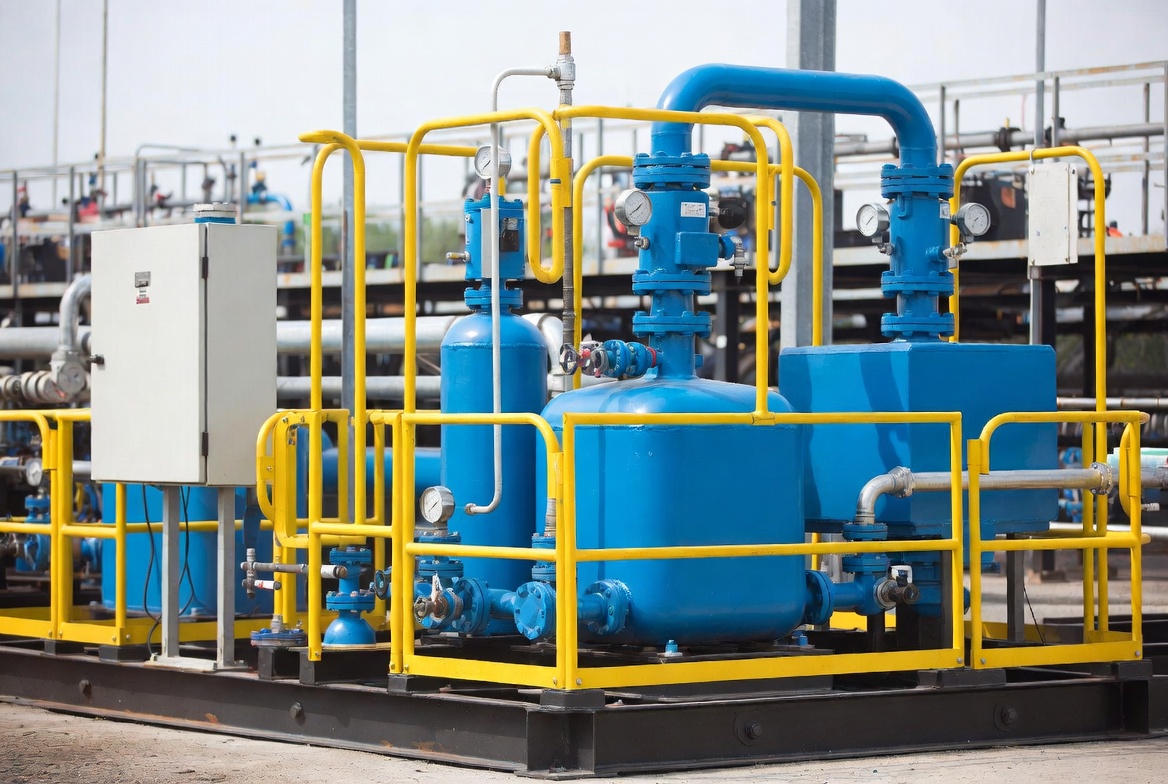
Describe the oil fraction, emulsion behavior, suspended solids, temperature and upstream chemicals. Ask the supplier to explain what the proposed medium is intended to do under those conditions. Stable emulsions and changing chemical carryover require particular attention. A generic oil-in-water concentration does not show that droplets will coalesce as expected, and the supplier should identify any pretreatment or characterization needed before committing to the selected arrangement.
Check cartridge and housing compatibility
Request the offered element materials, seals, housing references and liquid compatibility assumptions. Include cleaning and flushing liquids in the review. An element with the correct external dimensions is not automatically interchangeable with the accepted assembly. Confirm the supplier part references and configuration requirements so future purchasing can distinguish approved replacements from alternatives that still require a technical assessment for the actual water and equipment.
Compare clean and fouled hydraulic behavior
Provide normal and peak flow, available pressure and downstream constraints. Ask for the accepted operating range and the basis for evaluating pressure loss over the service period. Review monitoring and the response required as the element condition changes. A low initial pressure drop does not describe the complete operating cycle, especially when the feed carries solids or conditions differ from those used for the supplier preliminary selection.
Include oil drainage and service operations
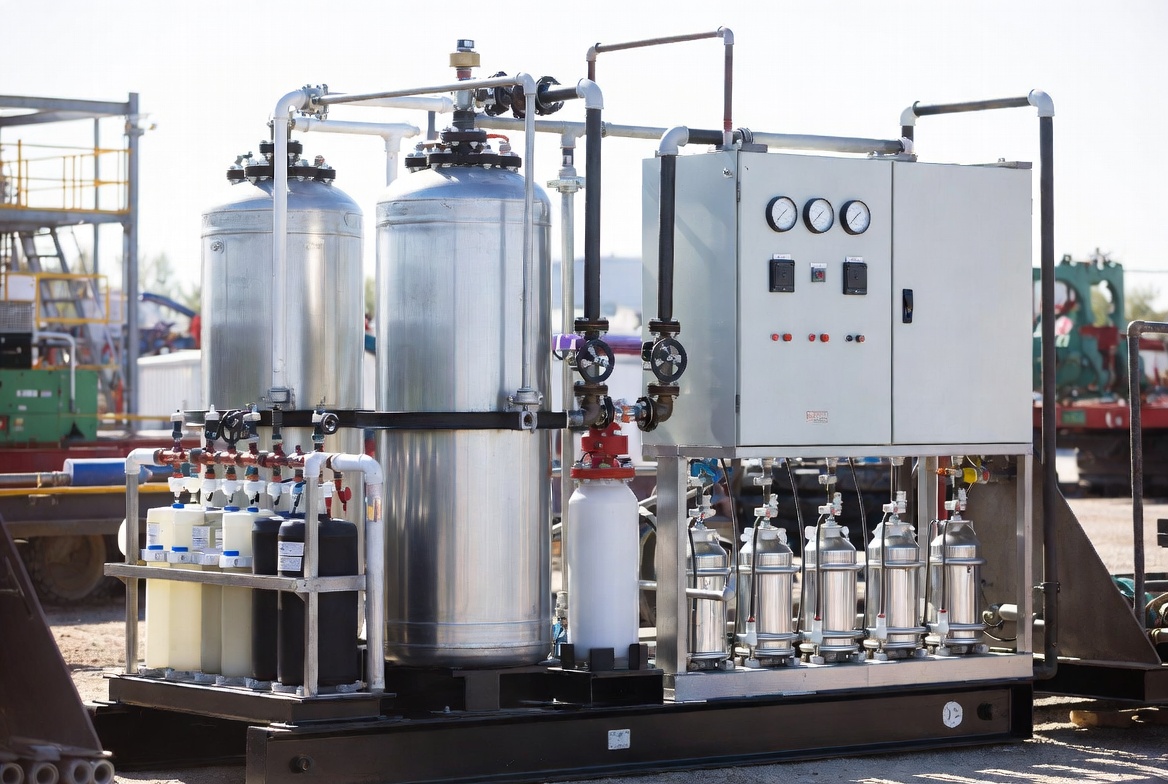
Identify how separated oil leaves the package and where it is collected. Ask for the supported cleaning or replacement method, required isolation and maintenance access. Clarify whether a standby path or parallel housing is required by the process availability plan. Keep service liquid, retained contents and spent elements in the residuals assessment rather than assuming that a compact coalescer eliminates the need for waste handling and operational planning.
Price the replacement strategy with the equipment
Request initial elements, seals, recommended stock and documented replacement identifiers. Compare supply availability and storage requirements without assuming a fixed cartridge life for every feed. If the supplier predicts a service interval, request the conditions and evidence behind it. Show uncertain consumable demand separately in the cost model and identify how actual operating records will be used to refine future purchasing quantities.
Keep the separation claim bounded by the feed
Agree how inlet and outlet samples will be collected and analyzed, and connect the acceptance conditions to the selected element, hydraulic range and operating state. If trials use a different water or a fresh cartridge only, identify what remains unverified for the full service cycle. Compare offers on the same water envelope and replacement boundary. A coalescer can support a defined deoiling duty without removing dissolved salts or guaranteeing downstream reuse compatibility on its own.
Put these items side by side in the bid review
| Purchase item | Question to resolve | Evidence to request |
|---|---|---|
| Feed | Are emulsions and chemicals reviewed? | Water characterization response |
| Elements | Which replacements are approved? | Configuration-specific part list |
| Ownership | How is consumable demand estimated? | Supported service-cycle assumptions |
Suggested wording for the quotation request
Please quote a coalescer package for the attached produced-water conditions and hydraulic cases. Identify the element, housing, seals, supported feed range and required pretreatment. State clean and service-cycle hydraulic assumptions, oil drainage, monitoring, maintenance access and residual handling. Provide initial and replacement element prices with approved references, storage requirements and the evidence supporting any projected service interval or outlet performance commitment.
Compare the complete treatment duty rather than one advertised removal percentage. Keep representative water analyses, flow variation, required outlet quality and residual destinations together in the purchase specification. Identify what each proposed stage removes and what remains in the treated water, recovered oil and waste streams. Agree utility assumptions, operating responsibilities and configuration-specific evidence before ordering. Installation, chemical handling, sampling and maintenance must follow the accepted project design, supplier instructions and approved site procedures. Equipment selection does not itself authorize discharge, reuse or disposal.
For the wider equipment scope, consult the Produced Water Treatment: Oil Removal vs Salt Removal. Use the RFQ checklist to collect the supporting documents before requesting a configuration-specific quotation.
Buyer questions
Can a coalescer be selected using oil concentration alone?
No. Oil characteristics, emulsions, solids, chemistry, temperature and hydraulic conditions also affect the selection.
Should compatible-looking cartridges be accepted as equivalents?
Only after the supplier confirms materials, interfaces, operating limits and suitability for the actual package and water duty.
Background and supplier contact
Produced-water treatment technology background offers related background, not certification of the equipment in a quotation. Applicability must be checked for the project and destination.
Explore the oilfield wastewater treatment system, browse all technical resources, or visit Vance Petroleum for company information. Request a treatment proposal with the water analysis, treatment flow and required outlet quality.