
Build the spare list from the delivered equipment
Request a tagged bill of materials covering the actual pumps, valves, instruments, filters and other supplied components. Link part identifiers to equipment tags and accepted drawing revisions. Distinguish configuration-specific items from commonly available consumables. A general recommended-spares list copied from a product family may include parts not used in the order or omit components needed for the particular water duty and installed arrangement.
Separate commissioning and operating stock
Identify parts and consumables expected during installation, first filling, cleaning and startup separately from stock intended for subsequent operation. Ask for the quantity assumptions and the service conditions behind them. Do not treat one standard kit as suitable for every operating period or destination. Review replenishment arrangements and storage constraints so the initial purchase covers the intended handover and maintenance strategy rather than an unspecified allowance.
Control approved replacement materials and consumables
Request the accepted media, seals, membranes, lubricants and chemicals applicable to the selected configuration where supplied. Identify alternatives that have already been reviewed and the approval process for later substitutions. A matching nominal size or broadly similar material description does not establish equivalent service suitability. Keep water chemistry and cleaning compatibility tied to replacement decisions, especially where a substitute could affect treatment performance or component integrity.
Confirm practical service access and tools
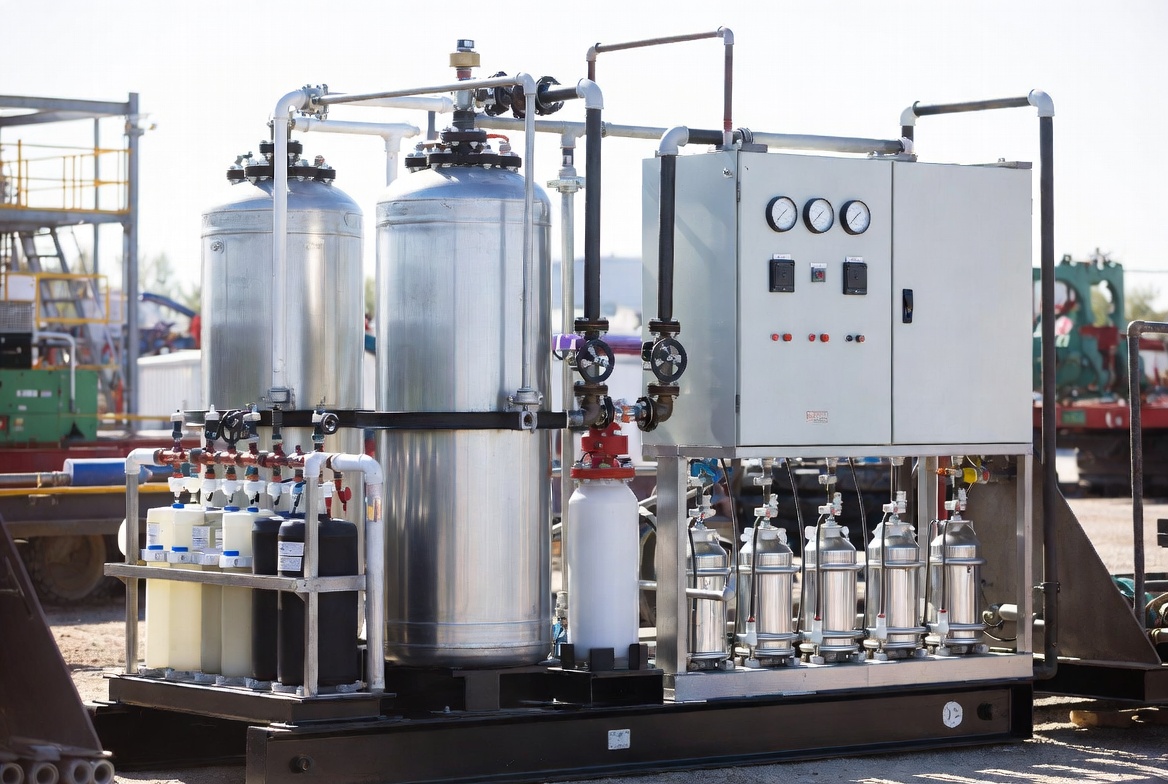
Ask for maintenance clearances, handling requirements, specialist tools and the work needed to isolate or remove supplied items under approved procedures. Check the installed layout rather than only the transport drawing. A component can be replaceable in theory but inaccessible once the package is connected to site piping or placed in its final enclosure. Price necessary tools and handling provisions and assign any excluded site work before final acceptance.
Agree documents, training and change records
Request operating and maintenance instructions, control configuration records, supplier references and an accessible parts register in the agreed format and language. Define training and attendance included in the offer. Identify who updates documents after approved substitutions or commissioning changes. Support promises should be written with their coverage and exclusions; neither a generic worldwide-service statement nor a fixed response-time claim replaces the records needed to identify and order the correct part.
Compare support using usable deliverables
List tagged spare references, initial quantities, storage instructions, tool requirements, manuals and service responsibilities as separate commercial items. Confirm supply and replenishment assumptions in the actual offer without inventing universal stock availability. Keep warranty scope distinct from the operational need to maintain the package. A serviceable purchase provides configuration control and a practical maintenance route for the accepted water duty, rather than merely adding a percentage of equipment price as an unexplained spare-parts budget.
Put these items side by side in the bid review
| Purchase item | Question to resolve | Evidence to request |
|---|---|---|
| Identification | Are parts linked to delivered tags? | Final bill of materials and register |
| Scope | Which stock serves startup versus operation? | Itemized spare and consumable schedule |
| Service | Can installed components be maintained? | Access, tools and document plan |
Suggested wording for the quotation request
Please provide a configuration-specific spare-parts and handover proposal for the selected oilfield water-treatment package. Link components and replacements to equipment tags and final revisions. Separate commissioning stock, operating consumables, special tools and optional spares. State approved material alternatives, storage instructions, service access and replenishment assumptions. Include manuals, training, control records and change-documentation responsibilities, with support and warranty coverage defined separately in the written offer.
Compare the complete treatment duty rather than one advertised removal percentage. Keep representative water analyses, flow variation, required outlet quality and residual destinations together in the purchase specification. Identify what each proposed stage removes and what remains in the treated water, recovered oil and waste streams. Agree utility assumptions, operating responsibilities and configuration-specific evidence before ordering. Installation, chemical handling, sampling and maintenance must follow the accepted project design, supplier instructions and approved site procedures. Equipment selection does not itself authorize discharge, reuse or disposal.
For the wider equipment scope, consult the Oilfield Wastewater Treatment System: Maintenance Guide. Use the RFQ checklist to collect the supporting documents before requesting a configuration-specific quotation.
Buyer questions
Is a percentage spare allowance enough for the order?
No. Request identified parts, quantities, assumptions and service requirements linked to the delivered equipment.
Can compatible-looking consumables be substituted freely?
No. The accepted material, process compatibility, component interfaces and approval requirements must support the replacement.
Background and supplier contact
Produced-water treatment technology background offers related background, not certification of the equipment in a quotation. Applicability must be checked for the project and destination.
Explore the oilfield wastewater treatment system, browse all technical resources, or visit Vance Petroleum for company information. Request a treatment proposal with the water analysis, treatment flow and required outlet quality.