Start with the operating duty, not a model number
A useful specification begins with the job the equipment must complete. For an oilfield wastewater treatment system, that duty is conditioning produced water and flowback for reuse, reinjection or project-specific discharge requirements. State the normal operating point, the maximum credible point and the duration at each condition. A single maximum figure is not enough: the supplier also needs the expected operating range to select pumps, drivers, heat exchangers, vessels, controls and protective devices that work efficiently away from the peak.
Record the fluid, gas or process-medium properties at minimum, normal and maximum conditions. Include temperature, density, viscosity, solids, corrosive species and any hazardous-area classification. These details influence metallurgy, seals, instruments and the cleaning method, and they frequently explain why two apparently similar quotations have different prices.
Five parameters to define before requesting a quote
| Item | Why it matters | Information to provide |
|---|---|---|
| water chemistry | Controls the selection or rating of the hydrocyclone or primary separator. | Minimum, normal and maximum water chemistry; units and test basis. |
| oil and grease concentration | Controls the selection or rating of the dissolved-gas flotation. | Minimum, normal and maximum oil and grease concentration; units and test basis. |
| total dissolved solids | Controls the selection or rating of the fine filtration. | Minimum, normal and maximum total dissolved solids; units and test basis. |
| reuse or discharge target | Controls the selection or rating of the optional membrane or polishing stage. | Minimum, normal and maximum reuse or discharge target; units and test basis. |
| variable-flow equalization | Controls the selection or rating of the hydrocyclone or primary separator. | Minimum, normal and maximum variable-flow equalization; units and test basis. |
Ask the supplier to show the duty point on a curve, heat balance or capacity calculation where applicable. Ratings should identify whether they are continuous, intermittent or short-duration. The proposal should also state derating for altitude, high ambient temperature, cold starts and the intended fuel or power source.
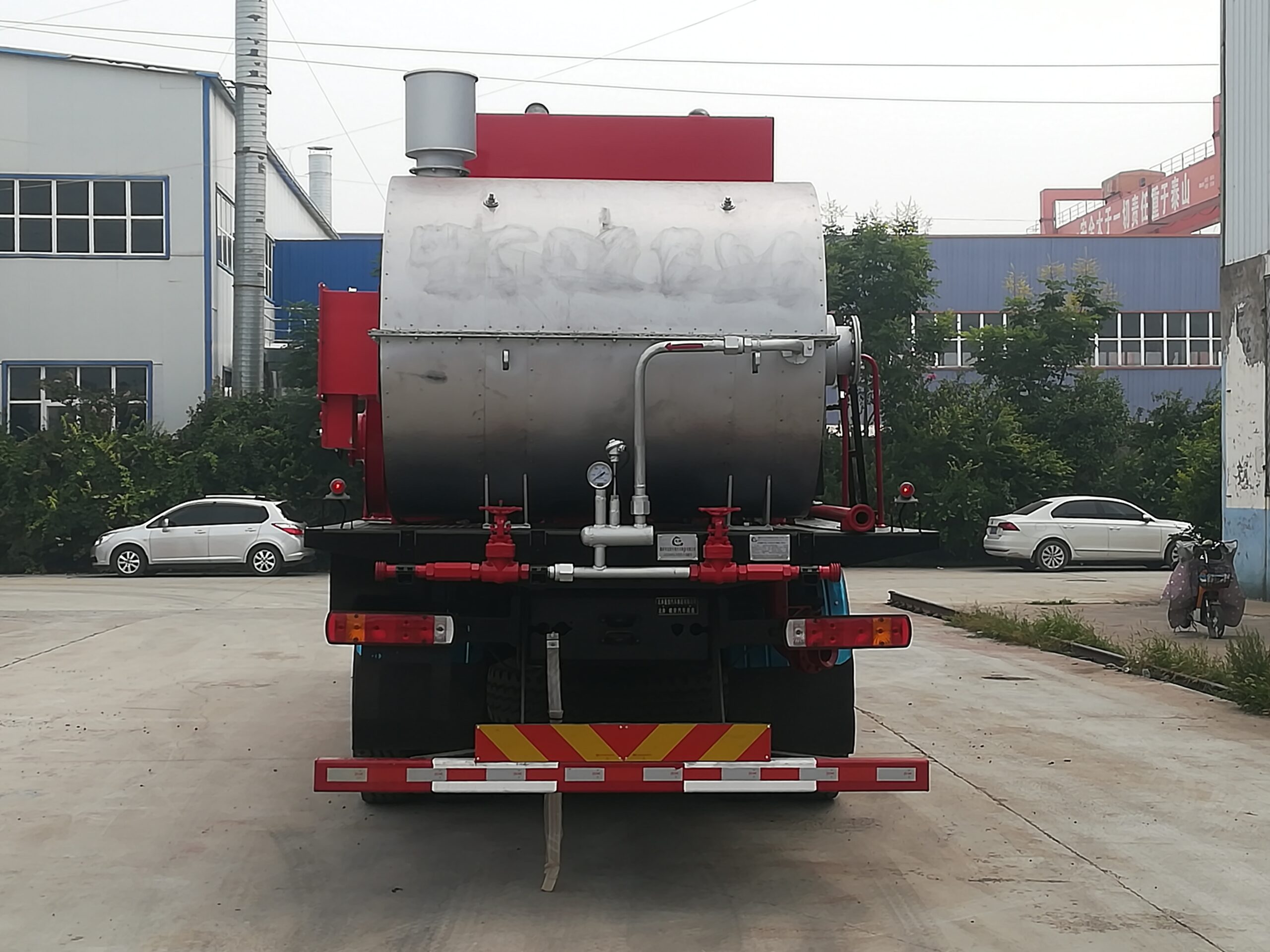
Match the main components to the duty
hydrocyclone or primary separator
Confirm material, rating, control method, inspection access and the evidence used to verify its capacity.
dissolved-gas flotation
Confirm material, rating, control method, inspection access and the evidence used to verify its capacity.
fine filtration
Confirm material, rating, control method, inspection access and the evidence used to verify its capacity.
optional membrane or polishing stage
Confirm material, rating, control method, inspection access and the evidence used to verify its capacity.
Auxiliary systems deserve the same attention as the headline component. Cooling, lubrication, filtration, drains, relief paths, earthing, fire protection and operator access often determine field reliability. Define connection sizes and interface responsibilities in the purchase specification so that hoses, power, fuel, water and data connections are ready when the unit reaches site.
Engineering data checklist for an accurate proposal
- Job objective and expected operating sequence
- Minimum, normal and maximum duty points with units
- Process-medium composition and temperature range
- Site altitude, climate, hazardous-area classification and road limits
- Preferred chassis, mounting method, power source and fuel
- Applicable codes, inspection, certification and documentation
- Required spare parts, training, commissioning and acceptance tests
A technically comparable RFQ asks every bidder to respond to the same data sheet and deviation list. Mark unknown values honestly rather than inventing them; a qualified manufacturer can then identify which field data must be confirmed during engineering.
Oilfield Wastewater Treatment System project-specific engineering focus
A useful design review compares the proposed machine with the actual job timeline, connection plan and crew responsibilities. For sizing work, water chemistry establishes the primary duty while oil and grease concentration defines the next limiting boundary. total dissolved solids affects the selection of the hydrocyclone or primary separator, and reuse or discharge target should be checked against the operating range of the dissolved-gas flotation. The final layout must still respect variable-flow equalization.
Use the four intended duties as separate review cases: produced-water recycling, fracturing-flowback treatment, reinjection preparation and zero-liquid-discharge pretreatment. For each case, record the starting condition, target output, operating duration, expected variation and shutdown condition. This exposes whether a shared configuration is genuinely suitable or whether a different control range, material, auxiliary system or connection set is needed.
hydrocyclone or primary separator with dissolved-gas flotation
Review their operating envelopes together. Capacity on one side is not useful if the connected subsystem cannot supply, transmit or control the same duty.
fine filtration with optional membrane or polishing stage
Define monitoring, protection, calibration and maintenance access as part of the package acceptance criteria rather than optional details.
The RFQ should therefore carry a project data sheet, interface drawing and deviation schedule. That combination gives the manufacturer enough information to explain the design and gives the buyer a consistent basis for technical evaluation, factory testing and later commissioning.
For broader industry context, consult U.S. EPA oil and gas extraction effluent guidelines. Project requirements and applicable codes must still be confirmed for the destination country and end user.
Frequently asked questions
Which oilfield wastewater treatment system specification should be defined first?
Start with the operating duty and minimum, normal and maximum conditions. The equipment rating follows the required pressure, flow, temperature, capacity and operating duration.
Can a standard model be selected before field data are complete?
A preliminary model can be discussed, but final selection should wait until process conditions, site interfaces, codes and climate are confirmed.