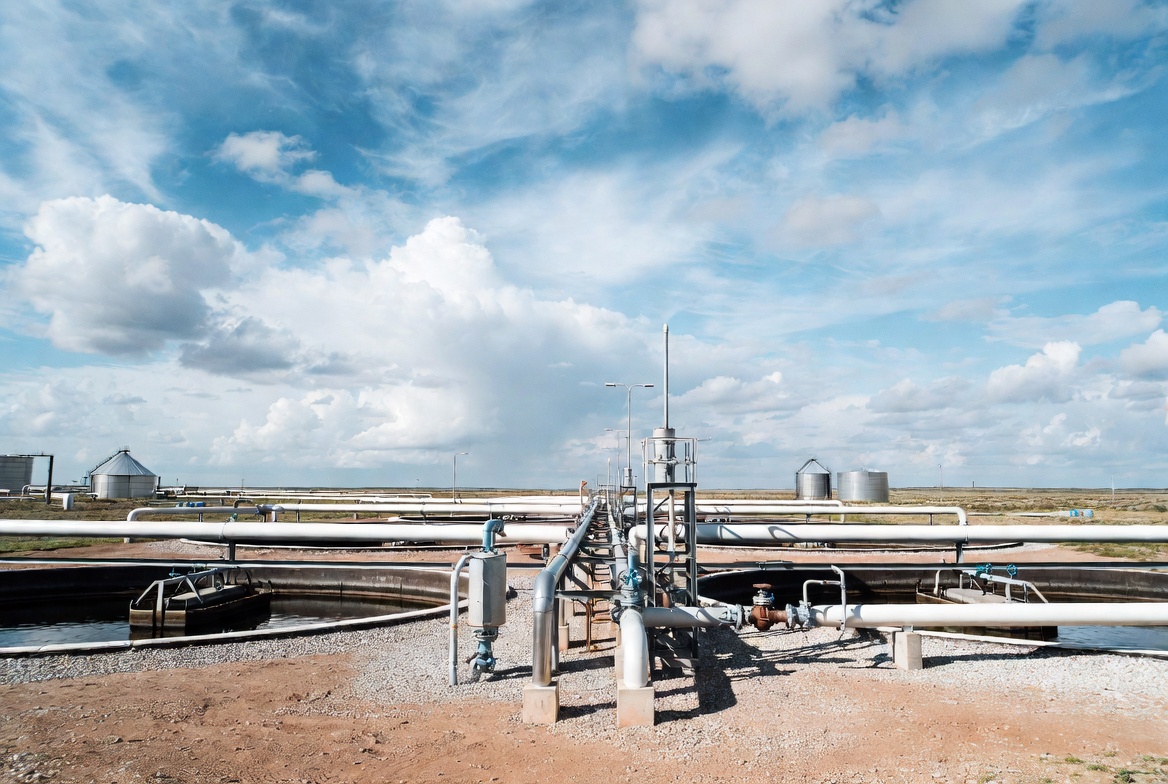
Characterize the sludge at the machine inlet
Provide solids concentration and composition, oil content, chemistry, temperature and variability from the actual treatment process. Identify storage or mixing before dewatering and chemical additions that may change the feed. A raw-water analysis is not a substitute for sludge characterization. Ask the supplier to state missing information and any trial requirements before it selects an arrangement or predicts the quantity and condition of the dewatered material.
Compare alternatives on one accepted feed basis
Where a filter press, centrifuge or another method is proposed, request the supported feed range, process sequence and evidence for the actual sludge. Identify conditioning, operator attention and operating-cycle differences. Do not rank alternatives from an isolated catalogue throughput or dryness claim. Compare the result under the same liquid and solids conditions, with the equipment and supporting systems required to achieve that result included in the technical response.
Include conditioning and service equipment
Ask for the dosing, preparation, feed pumping, washing and control equipment included in the proposal. Review chemical demand estimates using representative trials and identify the evidence limitations. State available utilities and site restrictions. A machine-only price can omit much of the working system, and a trial using different chemicals or a prepared sample may not establish the operating inputs required for the sludge produced continuously at site.
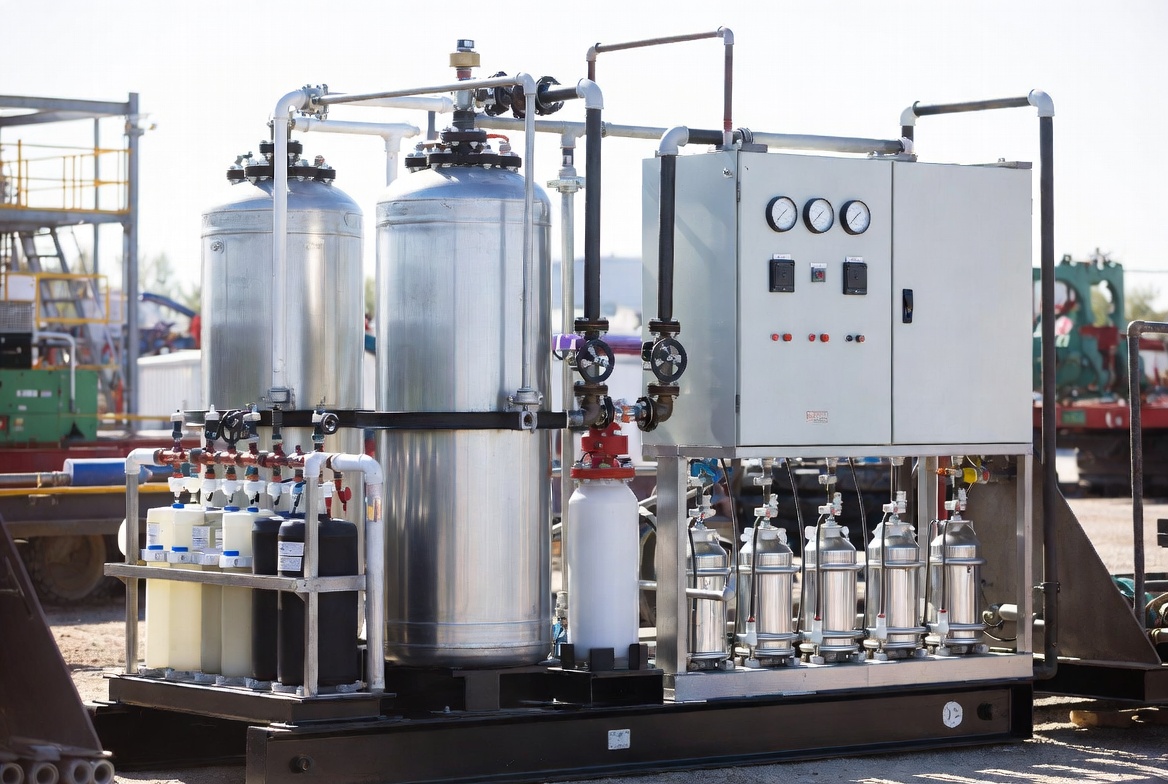
Review cake and separated-liquid destinations
Request a complete solids and liquid balance, including wash water and cleaning streams. Identify handling, storage and acceptance requirements for cake or other dewatered material. Review any filtrate or centrate return with the upstream treatment designer. Returning separated liquid may recycle oil, chemicals or fine solids, so it should not be assumed harmless simply because it came from a sludge-treatment stage within the same facility.
Specify service access and acceptance evidence
Ask for the required maintenance space, handling provisions, wear items and supplied operating instructions. Agree how throughput, output condition, chemical use and residual flows will be measured during acceptance. Identify which equipment is included in the demonstration and what requires site operation. Retain operating assumptions and deviations with the purchase documents rather than converting a short trial or demonstration into an unconditional full-service performance guarantee.
Price the whole residual route
Include feed storage, conditioning, utilities, consumables, operator requirements, cake handling, separated-liquid management and final transport or disposal. Keep uncertain estimates visible until representative evidence supports them. Equipment that produces a drier material may still have different handling, cleaning or energy needs. Compare complete compliant site arrangements with responsibilities assigned, rather than selecting a dewatering method from one output metric while leaving the remaining residual and integration work outside the commercial evaluation.
Put these items side by side in the bid review
| Purchase item | Question to resolve | Evidence to request |
|---|---|---|
| Feed | Was actual treatment sludge assessed? | Sludge characterization and trial record |
| Outputs | Where do cake and separated liquid go? | Solids and liquid balance |
| Scope | What lies outside the machine price? | Complete operating-equipment schedule |
Suggested wording for the quotation request
Please compare supported sludge-dewatering options for the attached oilfield treatment-sludge data. Identify feed limits, conditioning requirements, operating cycle, utilities and supporting equipment. Provide cake and separated-liquid balances, return-stream assumptions and handling requirements. State relevant trial evidence, acceptance measurements, maintenance access, wear parts and excluded site work. Separate preliminary estimates from commitments for the ordered configuration and agreed actual sludge duty.
Compare the complete treatment duty rather than one advertised removal percentage. Keep representative water analyses, flow variation, required outlet quality and residual destinations together in the purchase specification. Identify what each proposed stage removes and what remains in the treated water, recovered oil and waste streams. Agree utility assumptions, operating responsibilities and configuration-specific evidence before ordering. Installation, chemical handling, sampling and maintenance must follow the accepted project design, supplier instructions and approved site procedures. Equipment selection does not itself authorize discharge, reuse or disposal.
For the wider equipment scope, consult the Produced Water Treatment: Sludge and Backwash Planning. Use the RFQ checklist to collect the supporting documents before requesting a configuration-specific quotation.
Buyer questions
Is raw-water data enough to select sludge dewatering?
No. The actual sludge at the proposed machine inlet needs its own characterization and assessment.
Can centrate or filtrate be returned without review?
No. Its contaminants, chemicals and flow can affect the receiving treatment process and complete water balance.
Background and supplier contact
Produced-water treatment technology background offers related background, not certification of the equipment in a quotation. Applicability must be checked for the project and destination.
Explore the oilfield wastewater treatment system, browse all technical resources, or visit Vance Petroleum for company information. Request a treatment proposal with the water analysis, treatment flow and required outlet quality.