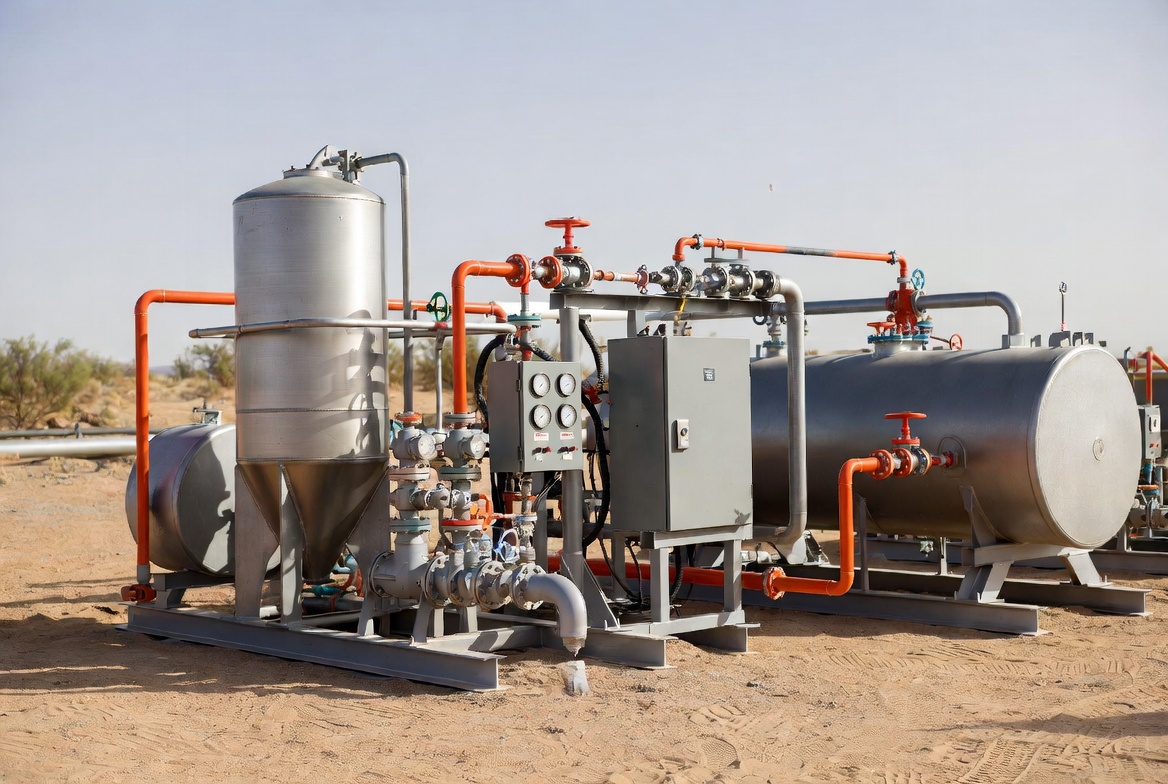
Define the brine arriving at the package
Provide the actual concentrate or produced-water analysis, flow, temperature and expected variation. Include organics, oil, suspended material and constituents relevant to scaling or corrosion. Identify any pretreatment and upstream chemical additions. A thermal package receiving membrane concentrate has a different feed boundary from one receiving untreated produced water, and the supplier should state which stream and conditions its proposed configuration actually accepts.
Connect energy figures to available site resources
State the electrical supply and any usable thermal utilities, together with their conditions and availability. Ask the supplier to identify the selected process and the boundary used for energy estimates. Include auxiliary equipment and cooling requirements. A headline energy figure based on different feed, recovery or utility assumptions cannot be directly compared with another offer; request values connected to the same accepted duty and complete supplied package.
Describe both recovered water and remaining brine
Request a complete stream balance and the expected quality of recovered water for the intended destination. Identify further polishing where required. Review the final concentrate or solids stream, its handling properties and the approved destination. Concentrating water reduces or changes a residual stream rather than eliminating all waste. Keep any further crystallization, dewatering, storage and disposal outside the base scope visible in the commercial comparison.
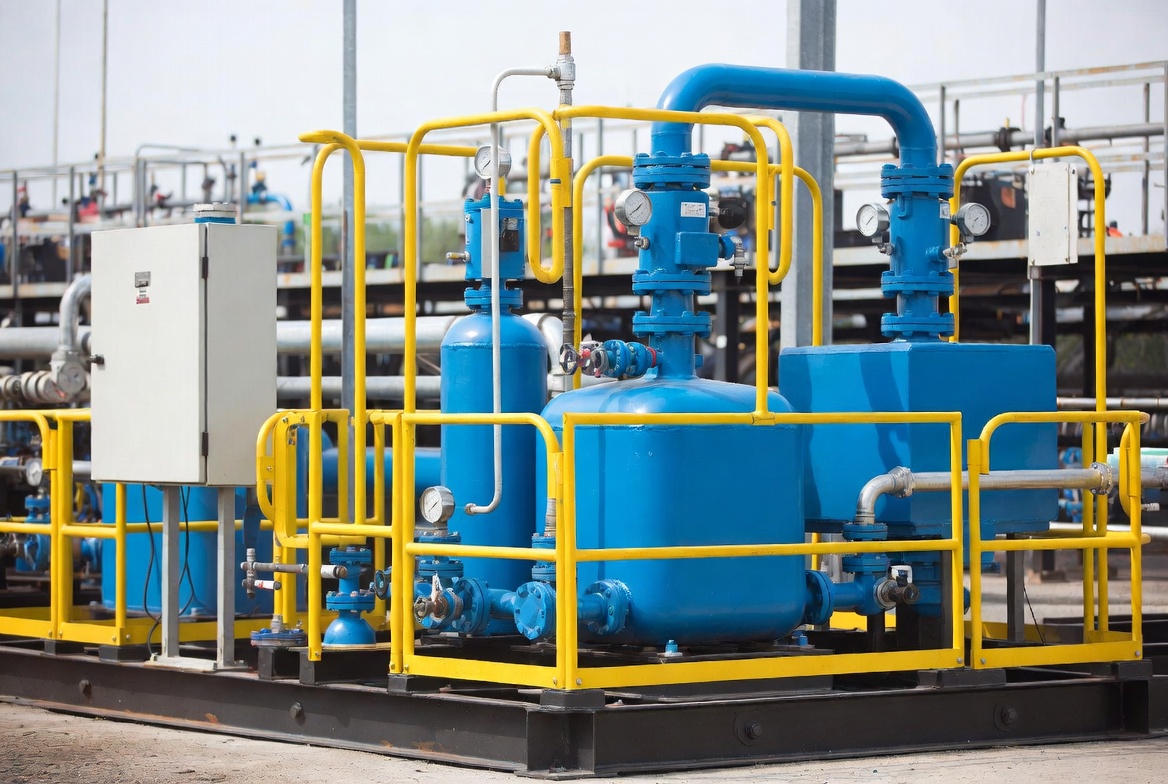
Review fouling, cleaning and operational interruptions
Ask the supplier to explain the accepted feed conditions, operating limits and maintenance requirements for the proposed equipment. Identify cleaning systems, consumables, service access and temporary loss of output. Do not assume continuous full production during cleaning or unrestricted recovery for every composition. Where operating evidence is offered, compare the feed, duration and residual conditions with the actual project rather than accepting a technology name as proof of service suitability.
Define acceptance across the complete process boundary
Agree the feed basis, utility conditions, net water recovery and residual destinations used for verification. Identify what the factory can demonstrate and what requires site operation. Request the equipment list, process documents, materials and operating instructions associated with the selected configuration. State performance commitments separately from estimates and keep deviations or untested conditions attached to the order so the acceptance review remains traceable.
Keep concentration and final disposal separate in the cost model
Price the base package, upstream conditioning, energy infrastructure, cooling, downstream residual equipment and operating consumables separately. Assign responsibility for the waste destination and any required approvals. An offer excluding the final brine route may appear cheaper without solving the actual project requirement. Compare alternatives using the same recovered-water objective and residual boundary, and show the uncertainty in energy and cleaning estimates until representative process evidence supports a firmer ownership assessment.
Put these items side by side in the bid review
| Purchase item | Question to resolve | Evidence to request |
|---|---|---|
| Energy | Which utilities and auxiliaries are included? | Duty-specific utility balance |
| Products | What water and residuals leave the package? | Accepted stream balance |
| Availability | How are cleaning periods accommodated? | Operating and maintenance schedule |
Suggested wording for the quotation request
Please quote a brine concentration package against the attached chemistry, flow cases and site utilities. Identify the selected process, pretreatment, materials and operating limits. Provide complete water, residual and energy balances, including auxiliary equipment, cooling and cleaning. Define recovered-water quality, final concentrate interfaces and excluded downstream work. State acceptance evidence and distinguish estimated operating inputs from commitments applying to the ordered configuration.
Compare the complete treatment duty rather than one advertised removal percentage. Keep representative water analyses, flow variation, required outlet quality and residual destinations together in the purchase specification. Identify what each proposed stage removes and what remains in the treated water, recovered oil and waste streams. Agree utility assumptions, operating responsibilities and configuration-specific evidence before ordering. Installation, chemical handling, sampling and maintenance must follow the accepted project design, supplier instructions and approved site procedures. Equipment selection does not itself authorize discharge, reuse or disposal.
For the wider equipment scope, consult the Produced Water Treatment: Oil Removal vs Salt Removal. Use the RFQ checklist to collect the supporting documents before requesting a configuration-specific quotation.
Buyer questions
Does a concentrator by itself establish zero liquid discharge?
No. The complete residual route and any further processing must support the project requirement.
Can energy quotations be compared without matching the feed?
No. Feed, recovery, utility conditions, process boundary and auxiliaries must be made comparable first.
Background and supplier contact
Produced-water desalination design research offers related background, not certification of the equipment in a quotation. Applicability must be checked for the project and destination.
Explore the oilfield wastewater treatment system, browse all technical resources, or visit Vance Petroleum for company information. Request a treatment proposal with the water analysis, treatment flow and required outlet quality.