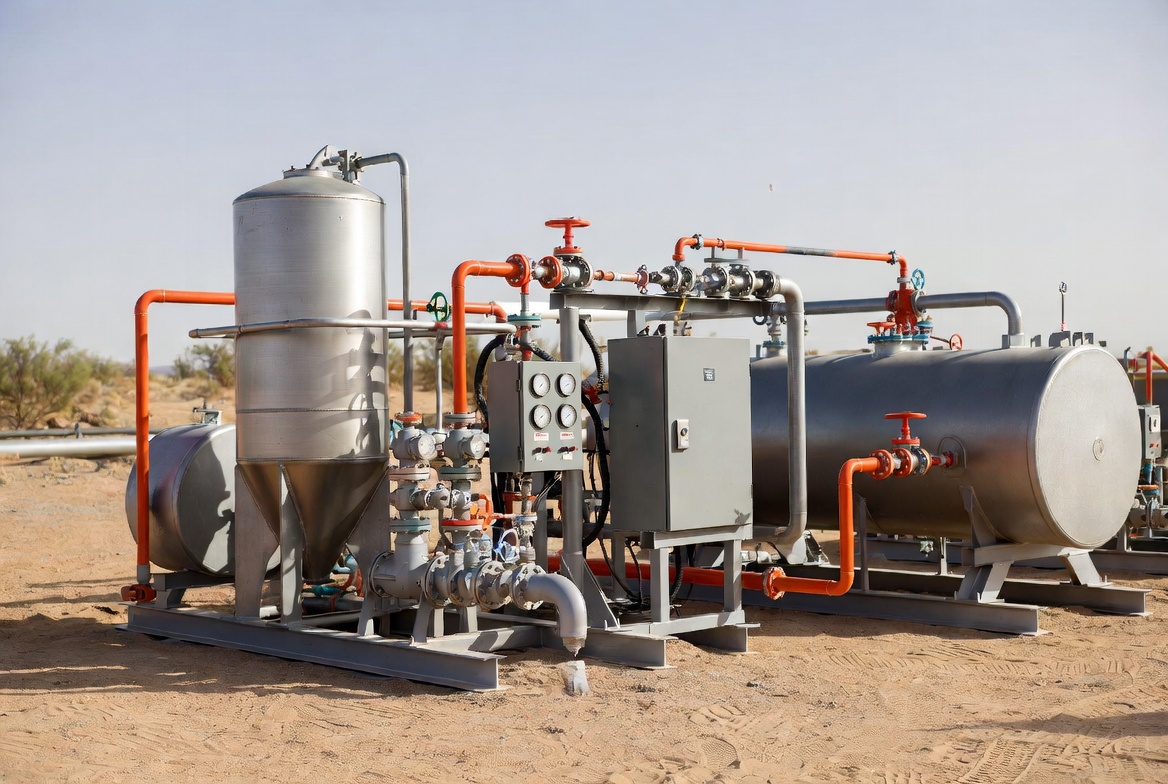
Request the separated-stream characteristics
Ask the supplier to identify the expected oil-rich streams and the conditions under which its estimates apply. Include associated water, solids, chemicals and possible variation during cleaning or upset operation. Do not treat all recovered material as saleable oil. The receiving process needs a defined composition and operating range before it can confirm whether the stream is suitable for return, further separation or another approved handling route.
Identify the receiving destination and constraints
Show where each recovered stream will go and obtain the receiving equipment requirements from the responsible designer or operator. Review pressure, temperature, storage, compatibility and capacity at the interface. Returning recovered liquid upstream may affect the existing separation process or recirculate contaminants. Keep that consequence in the process review rather than assuming that an available connection is proof of an acceptable destination.
Define collection and transfer equipment
Request the tanks or vessels, pumps, instruments, valves and control functions included with the treatment package. Identify purchaser-supplied storage and transfer work. Explain intermittent and peak collection cases so the arrangement can be assessed against actual operation. A quotation ending at a small oil outlet may leave the purchaser responsible for substantial handling equipment that must be included in the complete installed-cost comparison.
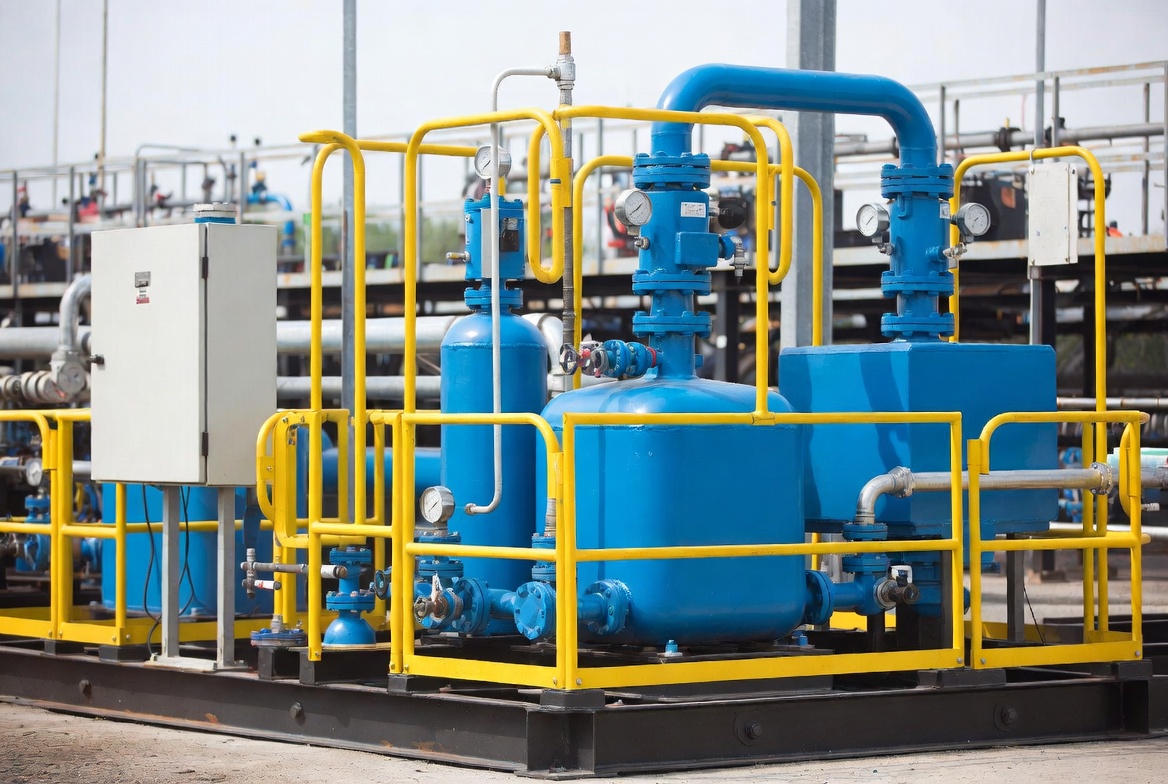
Review gas and hazardous-material interfaces
Provide known gas, chemical and material information and ask the responsible specialists to review the proposed collection and transfer arrangement. Identify applicable area classification and site requirements without assuming that every produced-water stream has the same hazards. Require the supplier to state its assumptions and exclusions. Operational procedures and protective arrangements must follow approved project engineering and supplied instructions rather than a generic equipment description or an unverified open-tank assumption.
Agree measurement and acceptance for the stream balance
Define how recovered oil and associated liquid will be accounted for during the agreed acceptance period. Clarify the measurement basis and distinguish recovered-liquid volume from actual oil content. Request operating, cleaning and maintenance documents for the supplied handling equipment. Any commercial value attributed to recovered material should remain conditional on its accepted quality, quantity and destination, rather than being treated as guaranteed revenue from a removal-percentage claim.
Compare treatment and recovery economics separately
Use a complete mass and water balance to identify what leaves as treated water, recovered liquid, sludge and other residuals. Price collection, storage, transfer, further treatment and disposal at the same boundary for each offer. Separate estimated recovery value from the equipment and operating costs until the receiving route is confirmed. This avoids overstating the financial benefit of a deoiling package that removes oil effectively but leaves the purchaser with an unaccepted or costly secondary stream.
Put these items side by side in the bid review
| Purchase item | Question to resolve | Evidence to request |
|---|---|---|
| Quality | What does recovered liquid contain? | Defined stream composition |
| Destination | Who accepts the recovered stream? | Receiving-interface requirements |
| Equipment | Which collection and transfer items are included? | Tagged handling-package list |
Suggested wording for the quotation request
Please define recovered-oil and oil-rich residual handling for the proposed produced-water train. Identify stream composition, quantity ranges and operating cases, including associated water, solids and chemicals. State accepted destinations, collection and transfer equipment, gas and classification assumptions, controls and battery limits. Provide a complete stream balance, verification approach and residual-route responsibilities. Keep estimated recovery value separate from commitments applying to the supplied equipment.
Compare the complete treatment duty rather than one advertised removal percentage. Keep representative water analyses, flow variation, required outlet quality and residual destinations together in the purchase specification. Identify what each proposed stage removes and what remains in the treated water, recovered oil and waste streams. Agree utility assumptions, operating responsibilities and configuration-specific evidence before ordering. Installation, chemical handling, sampling and maintenance must follow the accepted project design, supplier instructions and approved site procedures. Equipment selection does not itself authorize discharge, reuse or disposal.
For the wider equipment scope, consult the Produced Water Treatment: Sludge and Backwash Planning. Use the RFQ checklist to collect the supporting documents before requesting a configuration-specific quotation.
Buyer questions
Is all separated liquid commercially recoverable oil?
No. Water, solids, chemicals and receiving-process requirements can change its accepted route and value.
Can recovered liquid always be returned upstream?
No. The receiving process capacity, compatibility and recirculation effects require a coordinated review.
Background and supplier contact
OSHA oil and gas extraction guidance offers related background, not certification of the equipment in a quotation. Applicability must be checked for the project and destination.
Explore the oilfield wastewater treatment system, browse all technical resources, or visit Vance Petroleum for company information. Request a treatment proposal with the water analysis, treatment flow and required outlet quality.