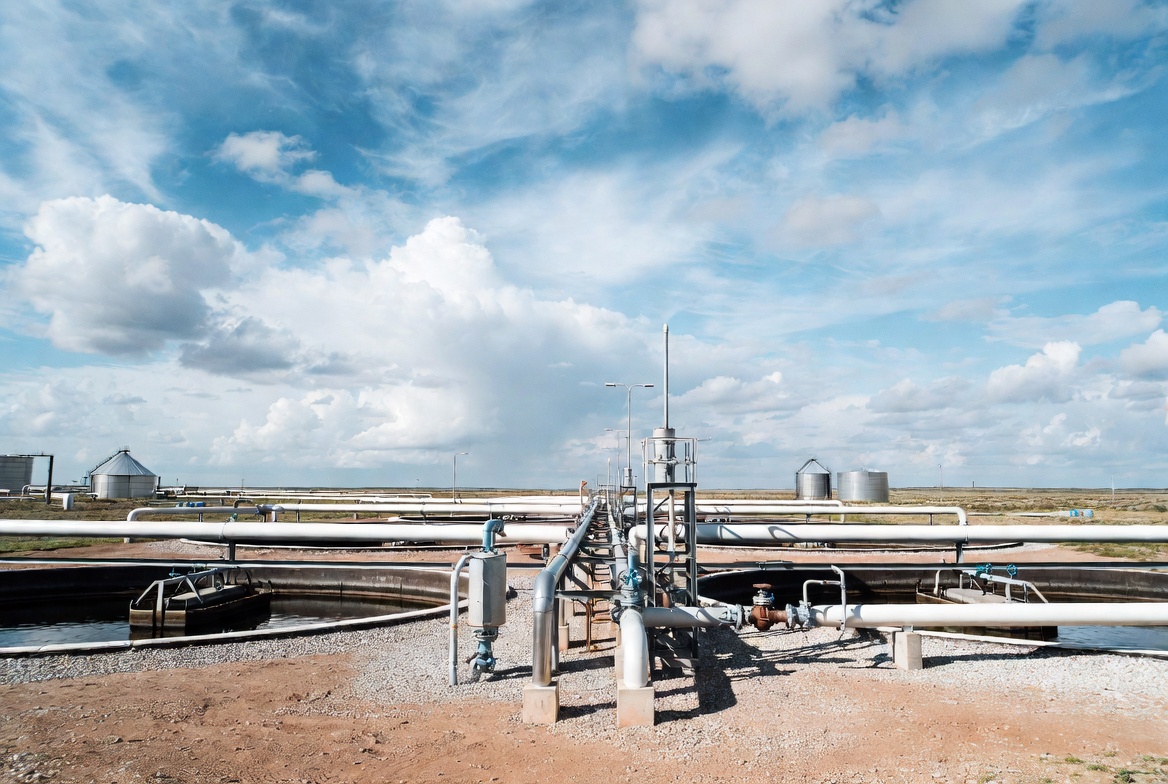
Obtain the receiving service requirements
Ask the responsible stimulation provider to identify the water criteria and compatibility evidence needed for its actual fluid system. Include planned additives and expected changes between jobs. Avoid treating all fracturing water as one specification. The treatment supplier needs an accepted destination requirement, while the service provider needs a defined treated-water composition; the purchase should connect those two responsibilities before a reuse commitment is accepted.
Characterize treated water and proposed blend sources
Provide chemistry, oil, solids, temperature and any treatment-chemical carryover for each water source. Identify variability and the blend range expected during operation. Compatibility should be reviewed for the proposed combination, not inferred from testing one stream independently. Ask for representative checks agreed by the responsible specialists and preserve the analytical and sampling conditions so later changes in source water can be assessed against the accepted basis.
Define the treatment and blending battery limits
Identify who supplies treatment, storage, blending equipment, transfer pumps, instruments and controls. State the available freshwater or other make-up supply and its boundary conditions. A treatment-skid quotation may end before the blend is prepared or delivered to the service equipment. Keep those excluded stages visible, including responsibility for maintaining the accepted blend when demand, source quality or upstream production conditions change.
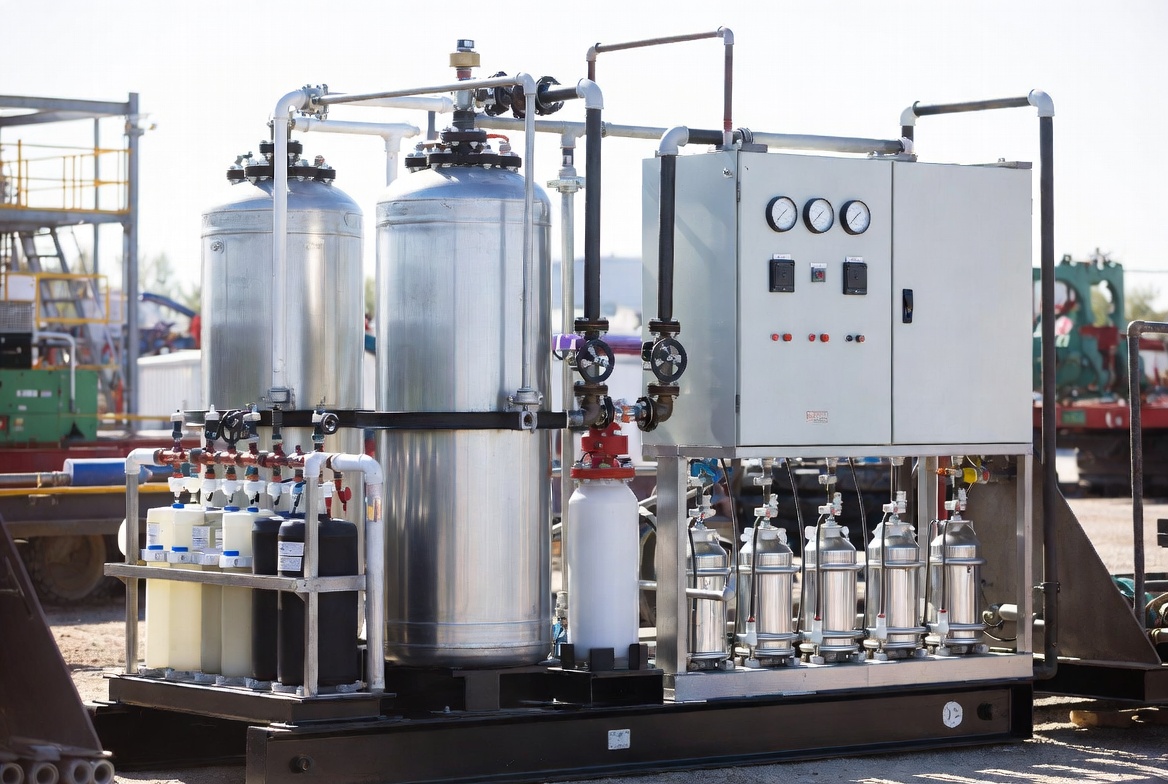
Compare net usable water at the required time
Provide the reuse-demand schedule and the treatment operating profile, including cleaning and interruptions. Ask for net delivery after backwash and other internal consumption, with storage requirements identified. Nominal plant capacity is not the same as water available when the receiving operation needs it. Avoid assuming a fixed freshwater reduction percentage without the actual water balance, blend restrictions and periods when treated-water quality or quantity may limit use.
Agree verification and change control
Define the sampling locations, compatibility checks, analytical methods and responsibilities for accepting the treated water and blend. Record how off-specification water is prevented from entering the accepted supply. Ask how changes in treatment chemistry or source composition will be reviewed. Performance should be tied to the supplied configuration and agreed receiving requirements rather than a general claim that any treated produced water is suitable for fracturing reuse.
Keep the reuse saving conditional on accepted water
Compare equipment and operating cost with the quantity of water that can actually be used under the agreed blend and quality limits. Include make-up water, storage, transfer, residual handling and rejected batches. Separate preliminary scenarios from measured or contractual commitments. The purchasing objective is a coordinated treatment and delivery arrangement that supports the intended service, not an isolated treatment result or a universal freshwater-saving percentage disconnected from the receiving fluid system.
Put these items side by side in the bid review
| Purchase item | Question to resolve | Evidence to request |
|---|---|---|
| Compatibility | Who accepts the treated-water blend? | Receiving-service requirements |
| Delivery | What usable flow reaches the operation? | Demand and net-water balance |
| Scope | Who supplies blending and storage? | Battery-limit and responsibility drawing |
Suggested wording for the quotation request
Please propose produced-water treatment for the attached fracturing reuse requirements and source analyses. Identify accepted treatment and blend conditions, required compatibility evidence, net usable output and internal water consumption. Define storage, transfer, blending, controls and off-specification handling boundaries. Coordinate the technical response with the receiving-service requirements and state verification responsibilities, change-control inputs and any limitations affecting the proposed reuse volume.
Compare the complete treatment duty rather than one advertised removal percentage. Keep representative water analyses, flow variation, required outlet quality and residual destinations together in the purchase specification. Identify what each proposed stage removes and what remains in the treated water, recovered oil and waste streams. Agree utility assumptions, operating responsibilities and configuration-specific evidence before ordering. Installation, chemical handling, sampling and maintenance must follow the accepted project design, supplier instructions and approved site procedures. Equipment selection does not itself authorize discharge, reuse or disposal.
For the wider equipment scope, consult the Oilfield Wastewater Treatment System: Uses and Operation. Use the RFQ checklist to collect the supporting documents before requesting a configuration-specific quotation.
Buyer questions
Does meeting an oil target prove fracturing-fluid compatibility?
No. The receiving fluid requirements and the complete treated-water or blend composition need their own assessment.
How should freshwater savings be calculated?
Use the usable treated-water quantity within accepted quality, blend and delivery constraints, including internal consumption and rejected water.
Background and supplier contact
Produced-water treatment technology background offers related background, not certification of the equipment in a quotation. Applicability must be checked for the project and destination.
Explore the oilfield wastewater treatment system, browse all technical resources, or visit Vance Petroleum for company information. Request a treatment proposal with the water analysis, treatment flow and required outlet quality.