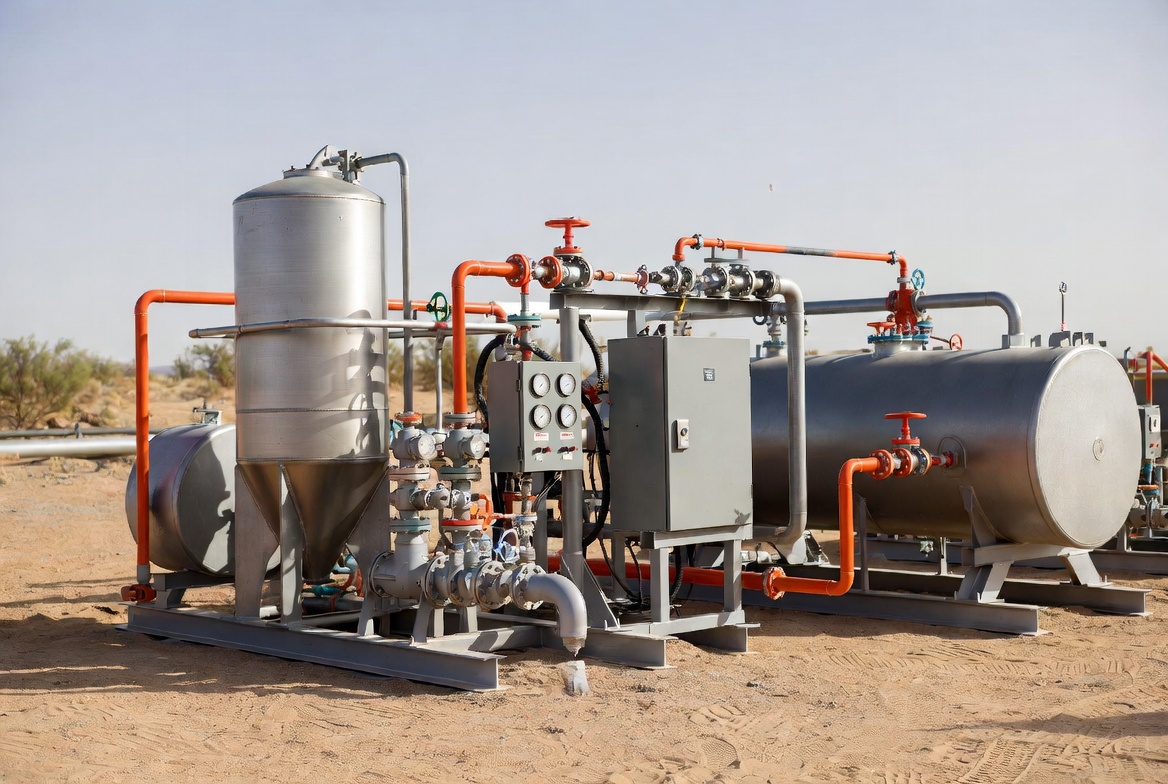
Request requirements from the boiler system supplier
Identify the actual boiler or steam-generation arrangement, operating conditions and applicable project water requirements. Ask the responsible supplier or specialist to define makeup-water criteria and necessary verification. Do not borrow limits from an unrelated steam system. The treatment enquiry should reference the receiving equipment and accepted criteria so bidders do not price different meanings of boiler-quality water under the same general description.
Characterize more than oil and suspended solids
Submit the relevant dissolved-constituent analysis, organics, salinity, temperature and upstream chemicals alongside oil and solids. State the expected variability and any blending sources. Ask which missing measurements are needed for the proposed process and receiving equipment review. A low oil result does not establish control of dissolved substances that may matter to the steam cycle, and visual clarity should not substitute for the agreed analytical evidence.
Separate pretreatment, desalination and final conditioning
Ask the supplier to identify the role of each proposed stage and the water condition at its outlet. Distinguish bulk removal, membrane or thermal treatment and any further polishing or conditioning required by the receiving system. Identify the party supplying each stage. A package described as water recycling may end before the required makeup condition is reached, so acceptance must follow the complete agreed boundary rather than one intermediate result.
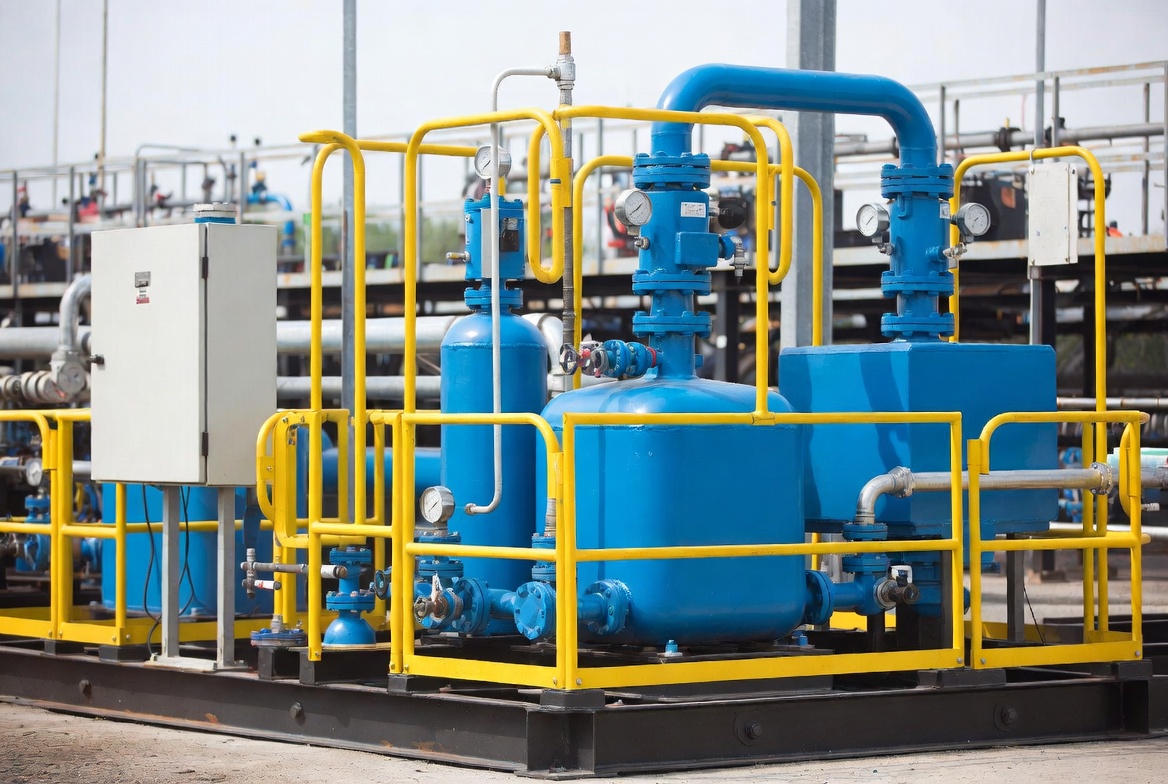
Include internal use and remaining waste streams
Request net makeup-water output together with concentrate, blowdown-related interfaces, backwash and spent-cleaning streams within the treatment scope. Review utility availability and the demand profile of the receiving process. Avoid comparing gross recovered water with net usable makeup. The complete water and residual balance is needed to understand site storage, handling and additional treatment, especially where a proposed recovery improvement shifts more material into a smaller waste stream.
Agree joint acceptance and operating responsibilities
Identify sampling points, analytical methods, operating cases and the responsible parties accepting the final water. Require coordination between treatment and steam-system suppliers where their scopes meet. State which controls and procedures remain with the purchaser and how changes in feed or treatment chemicals will be reviewed. Equipment purchase does not remove the need for ongoing water-quality management under the receiving system instructions and approved site procedures.
Do not infer steam-cycle suitability from a technology label
Reverse osmosis, evaporation or filtration each needs a defined feed, configuration and acceptance basis. Ask bidders to explain how the complete offered train meets the actual receiving requirements and what further work is excluded. Compare usable makeup quantity, energy, consumables, residuals and integration at that boundary. Where evidence is incomplete, agree the testing and approval needed before committing to reuse rather than accepting a universal promise of boiler-ready produced water.
Put these items side by side in the bid review
| Purchase item | Question to resolve | Evidence to request |
|---|---|---|
| Destination | Which steam-system criteria apply? | Accepted receiving-water specification |
| Train | Where is final makeup quality established? | Stage-by-stage process boundary |
| Output | Is capacity net usable makeup? | Complete water and residual balance |
Suggested wording for the quotation request
Please review produced-water treatment for makeup to the identified boiler or steam system. Use the attached feed analyses and receiving-supplier criteria. Define each treatment and polishing stage, net usable makeup output, utilities, residual streams and excluded conditioning work. Identify joint verification, sampling and acceptance responsibilities, operating documents and change-control requirements. State additional tests or supplier approvals needed before the proposed reuse duty can be accepted.
Compare the complete treatment duty rather than one advertised removal percentage. Keep representative water analyses, flow variation, required outlet quality and residual destinations together in the purchase specification. Identify what each proposed stage removes and what remains in the treated water, recovered oil and waste streams. Agree utility assumptions, operating responsibilities and configuration-specific evidence before ordering. Installation, chemical handling, sampling and maintenance must follow the accepted project design, supplier instructions and approved site procedures. Equipment selection does not itself authorize discharge, reuse or disposal.
For the wider equipment scope, consult the Oilfield Wastewater Treatment System: Compatibility Guide. Use the RFQ checklist to collect the supporting documents before requesting a configuration-specific quotation.
Buyer questions
Is deoiled produced water automatically suitable for boiler makeup?
No. The actual steam-system criteria and dissolved-constituent, organic and other relevant water conditions must also be satisfied.
Who should accept the final water requirement?
The responsible treatment and receiving-system parties must coordinate the criteria and evidence at their agreed interface.
Background and supplier contact
Produced-water desalination design research offers related background, not certification of the equipment in a quotation. Applicability must be checked for the project and destination.
Explore the oilfield wastewater treatment system, browse all technical resources, or visit Vance Petroleum for company information. Request a treatment proposal with the water analysis, treatment flow and required outlet quality.