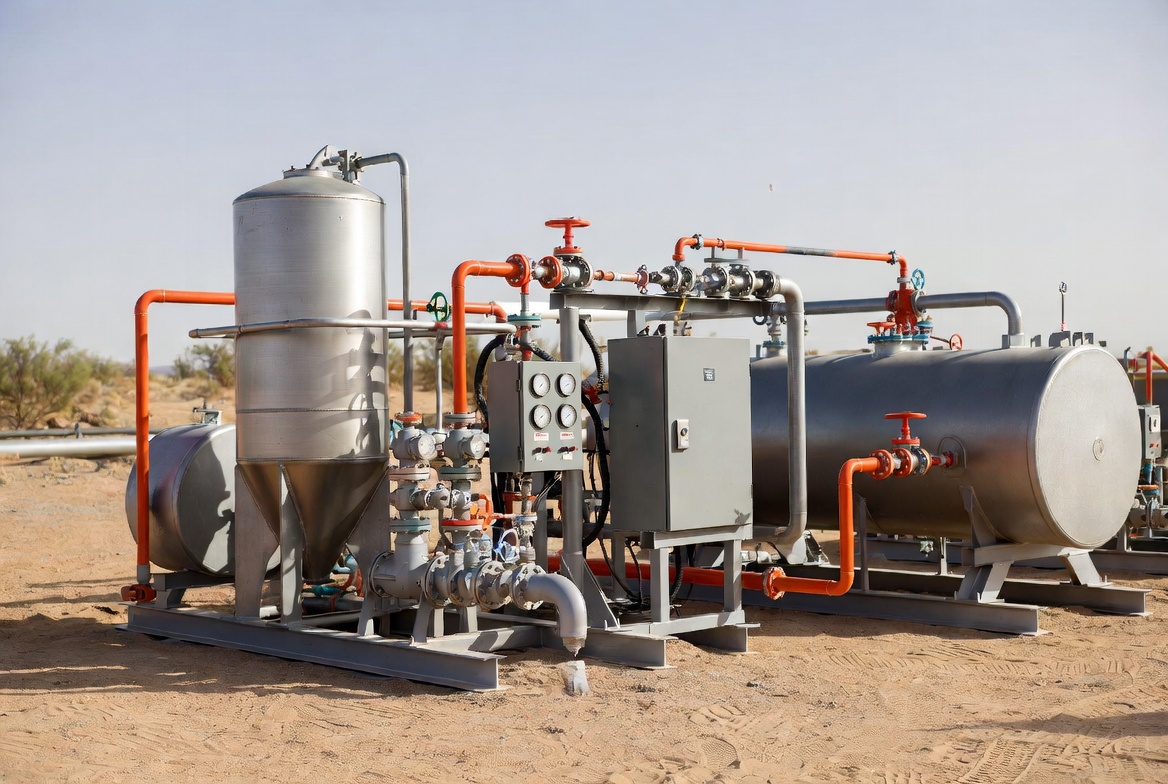
Obtain the relevant ionic and process data
Provide the water analysis, temperature, pressure conditions, upstream chemicals and expected variation. Include the other waters or process liquids that may mix with the treated stream. Ask the responsible specialists to identify missing measurements and assess relevant compatibility risks. A total-salinity figure alone does not describe the chemistry needed for a supported treatment decision, while one isolated ion concentration cannot establish every scale-related operating condition.
State the actual treatment objective
Identify whether the project needs a change in a particular dissolved constituent, compatibility with another water, protection of downstream equipment or another defined outcome. Ask the supplier to connect its proposed equipment to that objective. Chemical scale management, selective constituent removal and broad desalination are different scopes. They should not be compared as equivalent offers simply because each proposal uses the phrase scale control in its product description.
Do not transfer seawater selections uncritically
If a supplier cites a sulfate-removal reference from seawater service, ask what evidence supports its application to the submitted produced water. Review oil, solids, salinity, organics, temperature and pretreatment differences. A membrane or other process selected for one feed is not automatically suitable for another. Keep the actual feed boundary and accepted component arrangement visible before attributing a technology capability to the complete proposed package.
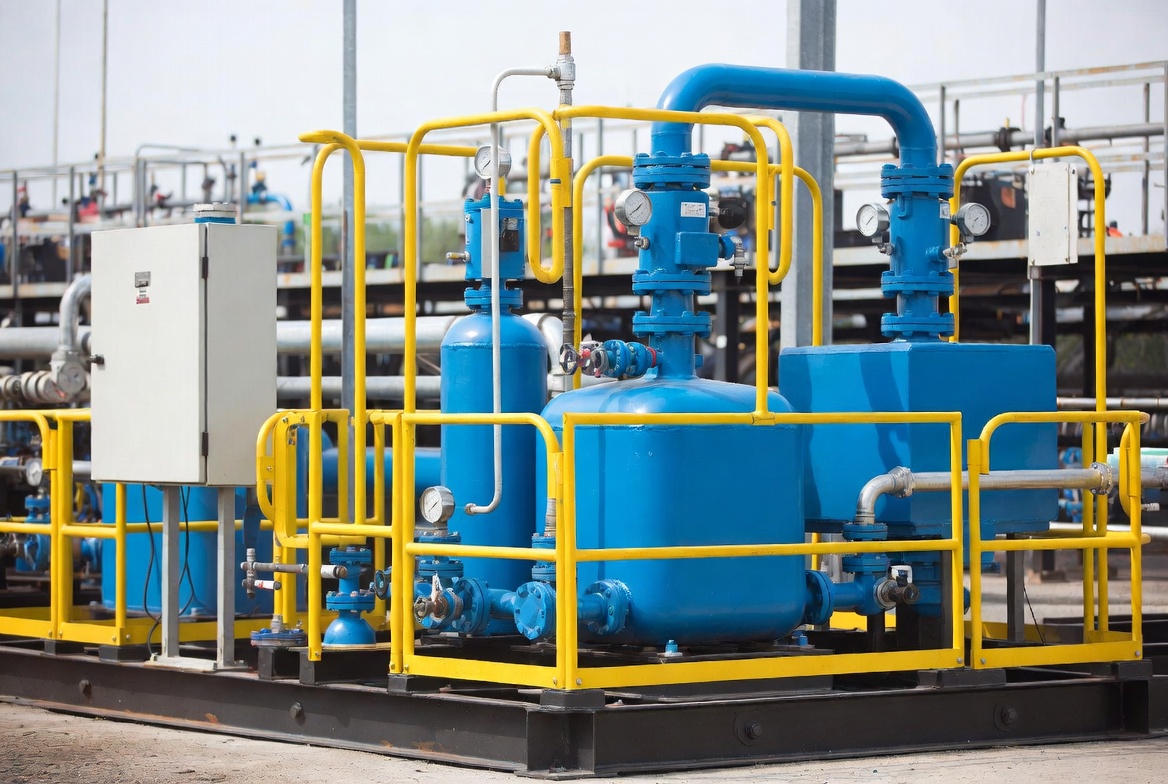
Review changes caused by treatment and recovery
Request product and residual compositions and the assumptions used for concentration or blending. Removing water or changing chemistry can affect the remaining streams and receiving interfaces. Identify required pretreatment, cleaning, chemical additions and concentrate handling. Do not evaluate the target constituent in isolation while ignoring the effect of the selected process on net output, residual routes or the compatibility requirements of the final intended destination.
Agree specialist review and acceptance evidence
State the analytical methods, sampling conditions and evidence required to approve the selection and confirm the result. Identify which assessments belong to the treatment supplier, receiving-process designer or other specialists. Record accepted assumptions and the changes that require reassessment. Avoid universal treatment promises or generic chemical instructions; the purchased equipment and operating approach should remain tied to the actual water and the approved project design.
Keep the commercial alternatives technically distinct
Ask each bidder to identify the process result, complete pretreatment, utility demand, cleaning requirements and residual streams it includes. Compare alternatives only after the responsible technical review accepts their role for the project. A lower equipment price may achieve a different objective or leave additional constituent treatment outside the offer. Keep the agreed chemistry and destination requirements with the order so future changes in source water or blend composition do not silently invalidate the selection.
Put these items side by side in the bid review
| Purchase item | Question to resolve | Evidence to request |
|---|---|---|
| Objective | What chemical or compatibility result is required? | Accepted treatment objective |
| Fit | Does the process support this produced water? | Feed-specific selection evidence |
| Balance | How are product and residual chemistries changed? | Complete process composition balance |
Suggested wording for the quotation request
Please assess the attached produced-water and receiving-stream analyses for the stated sulfate and scale-related treatment objective. Identify missing inputs, applicable process limitations, required pretreatment and evidence supporting the selected equipment. Provide product and residual compositions, net output, utilities, cleaning and disposal boundaries. Define specialist review, analytical acceptance and change-control responsibilities, distinguishing constituent removal from chemical management and from broader desalination scope.
Compare the complete treatment duty rather than one advertised removal percentage. Keep representative water analyses, flow variation, required outlet quality and residual destinations together in the purchase specification. Identify what each proposed stage removes and what remains in the treated water, recovered oil and waste streams. Agree utility assumptions, operating responsibilities and configuration-specific evidence before ordering. Installation, chemical handling, sampling and maintenance must follow the accepted project design, supplier instructions and approved site procedures. Equipment selection does not itself authorize discharge, reuse or disposal.
For the wider equipment scope, consult the Oilfield Wastewater Treatment System: Compatibility Guide. Use the RFQ checklist to collect the supporting documents before requesting a configuration-specific quotation.
Buyer questions
Is a seawater sulfate-removal reference enough for produced water?
No. The supplier must assess the actual produced-water chemistry, contaminants, pretreatment and operating conditions.
Should scale-control and desalination offers be treated as equivalent?
Only when their actual outcomes, process roles and complete supported scopes meet the same accepted project objective.
Background and supplier contact
Produced-water treatment technology background offers related background, not certification of the equipment in a quotation. Applicability must be checked for the project and destination.
Explore the oilfield wastewater treatment system, browse all technical resources, or visit Vance Petroleum for company information. Request a treatment proposal with the water analysis, treatment flow and required outlet quality.