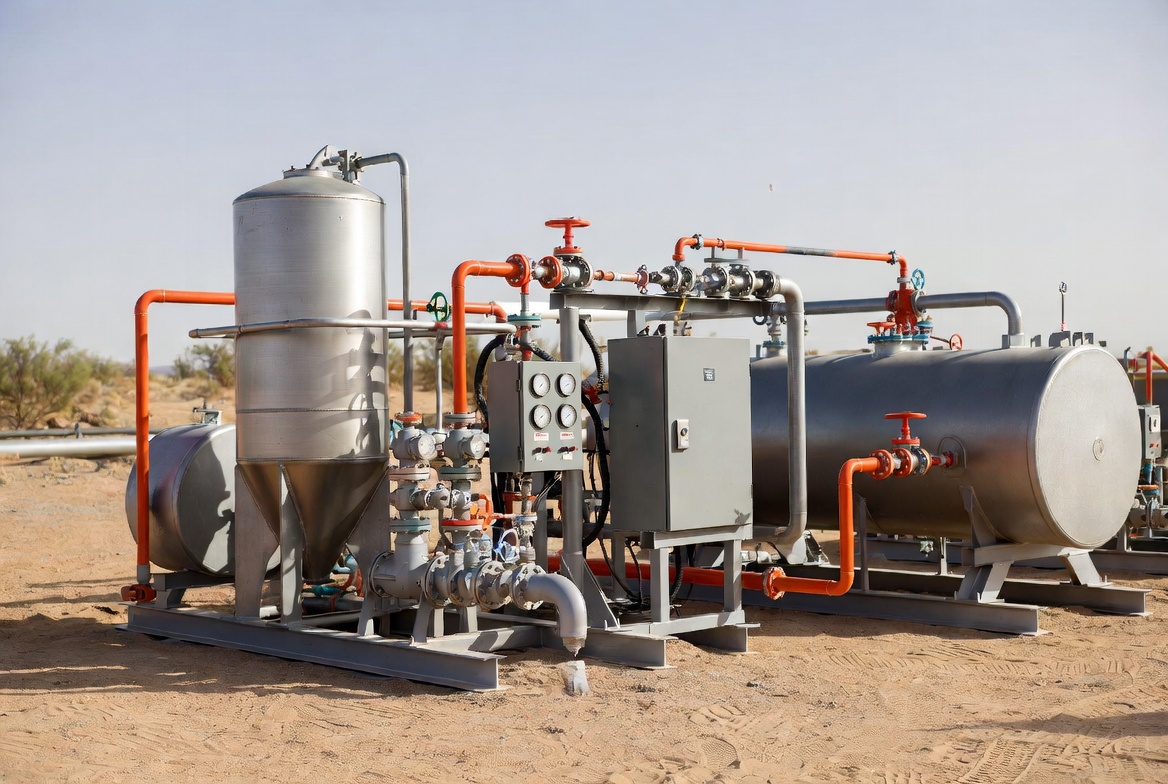
Define usable outlet water at the receiving boundary
State the quantity and quality required by the downstream process and the time period over which delivery matters. Distinguish inlet throughput, instantaneous filter output and net usable treatment output. Ask the supplier to identify internal consumption and interruptions in its stated capacity. A catalogue flow figure does not show how much water reaches the intended destination after the complete filtration and cleaning cycle is taken into account.
List every cleaning and backwash demand
Request the required water quality, volume basis, flow profile and timing for each selected treatment stage. Include wash, rinse, preparation and other internal consumption where applicable. Ask which streams need treated water and which can use a separately accepted supply. Keep these requirements configuration-specific; copying a cleaning-water allowance from another filter or assuming untreated water is acceptable can change both equipment performance and the site water budget.
Assess coincident demand and storage
Describe the operating schedule and ask whether cleaning events can overlap or require sequencing. Review available storage and transfer capacity against the accepted process demand. A buffer tank should be selected from actual supply and consumption cases rather than an arbitrary allowance. Identify pumps, controls and instruments needed to maintain the required service, and clarify whether they are part of the treatment offer or purchaser-managed site integration.
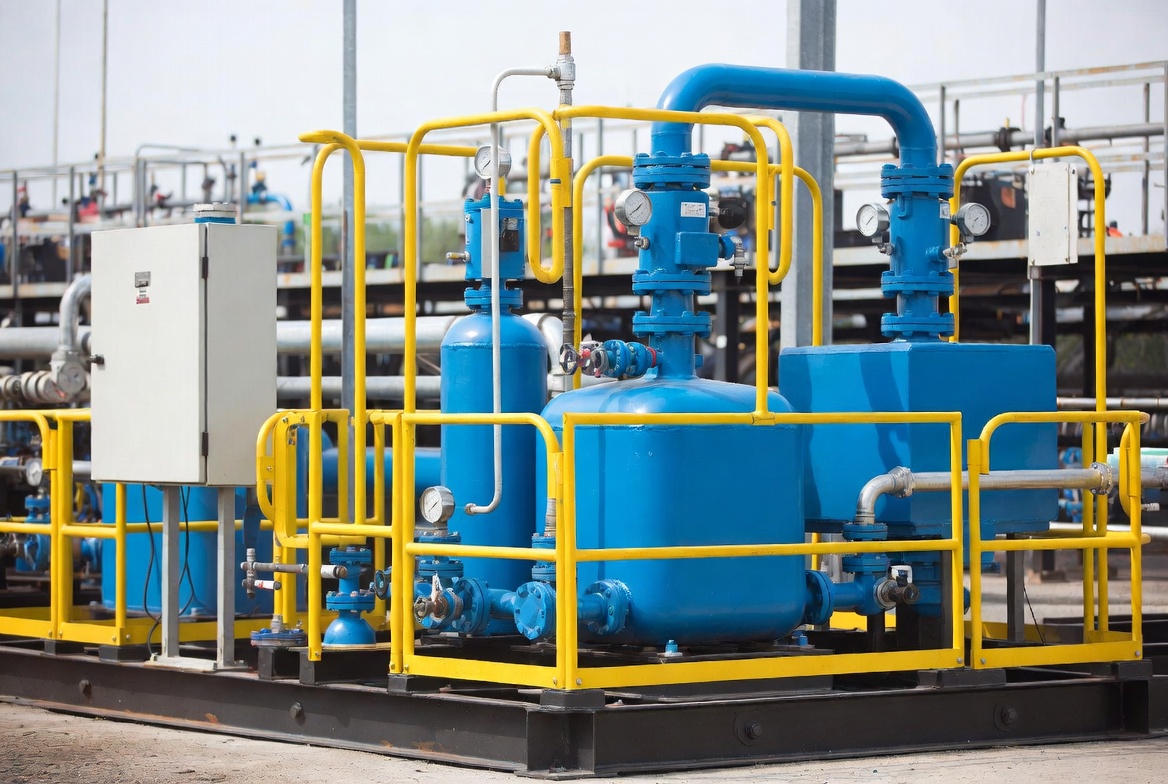
Review dirty-water returns as process feed
Identify the oil, solids, chemicals and intermittent flow expected in spent cleaning streams. Ask the process designer to assess any return to equalization or upstream separation. Recirculation can increase the load or concentrate material within the system. A return connection is therefore not proof of a closed-loop solution, and the accepted balance should distinguish material removed from the site from material circulating through treatment again.
Agree how the final balance will be demonstrated
Request a stream diagram and operating-cycle balance showing normal and cleaning cases, assumptions and residual destinations. Identify measurements needed during acceptance and who will reconcile them. Compare suppliers over the same operating period and water destination. Keep any required external supply or disposal outside the equipment scope visible, so a claimed plant recovery or delivery rate does not conceal essential site resources that were never included in the purchase.
Use net output for the commercial comparison
Calculate cost and available water using the quantity that meets the receiving requirements after internal demand and rejected streams. Include additional storage, pumps, treatment capacity and residual handling caused by the cleaning strategy. Where cycle frequency is uncertain, compare stated scenarios rather than presenting one precise saving. Keep the accepted balance with operating instructions and review it when feed loading, filter configuration or cleaning practice changes after commissioning.
Put these items side by side in the bid review
| Purchase item | Question to resolve | Evidence to request |
|---|---|---|
| Capacity | Is quoted flow gross or net usable output? | Cycle-based water balance |
| Demand | Can cleaning events overlap? | Sequence and storage assessment |
| Returns | What load returns upstream? | Dirty-water characterization and routing |
Suggested wording for the quotation request
Please provide a complete operating-cycle water balance for the proposed produced-water filtration train. Identify gross throughput, net usable output, all cleaning and backwash demands, required water quality and timing. State storage, pumps, sequence controls and dirty-water return loads. Define residual destinations, external supplies, capacity assumptions and acceptance measurements. Compare normal and cleaning cases at the agreed receiving-water boundary with purchaser responsibilities identified.
Compare the complete treatment duty rather than one advertised removal percentage. Keep representative water analyses, flow variation, required outlet quality and residual destinations together in the purchase specification. Identify what each proposed stage removes and what remains in the treated water, recovered oil and waste streams. Agree utility assumptions, operating responsibilities and configuration-specific evidence before ordering. Installation, chemical handling, sampling and maintenance must follow the accepted project design, supplier instructions and approved site procedures. Equipment selection does not itself authorize discharge, reuse or disposal.
For the wider equipment scope, consult the Produced Water Treatment: Sludge and Backwash Planning. Use the RFQ checklist to collect the supporting documents before requesting a configuration-specific quotation.
Buyer questions
Does a closed return pipe establish zero wastewater?
No. The full water and contaminant balance must show what accumulates, recirculates or requires removal from the system.
Which flow should support an operating-cost comparison?
Use net water meeting the receiving requirements over the agreed operating cycle, not an isolated gross throughput figure.
Background and supplier contact
Produced-water treatment technology background offers related background, not certification of the equipment in a quotation. Applicability must be checked for the project and destination.
Explore the oilfield wastewater treatment system, browse all technical resources, or visit Vance Petroleum for company information. Request a treatment proposal with the water analysis, treatment flow and required outlet quality.