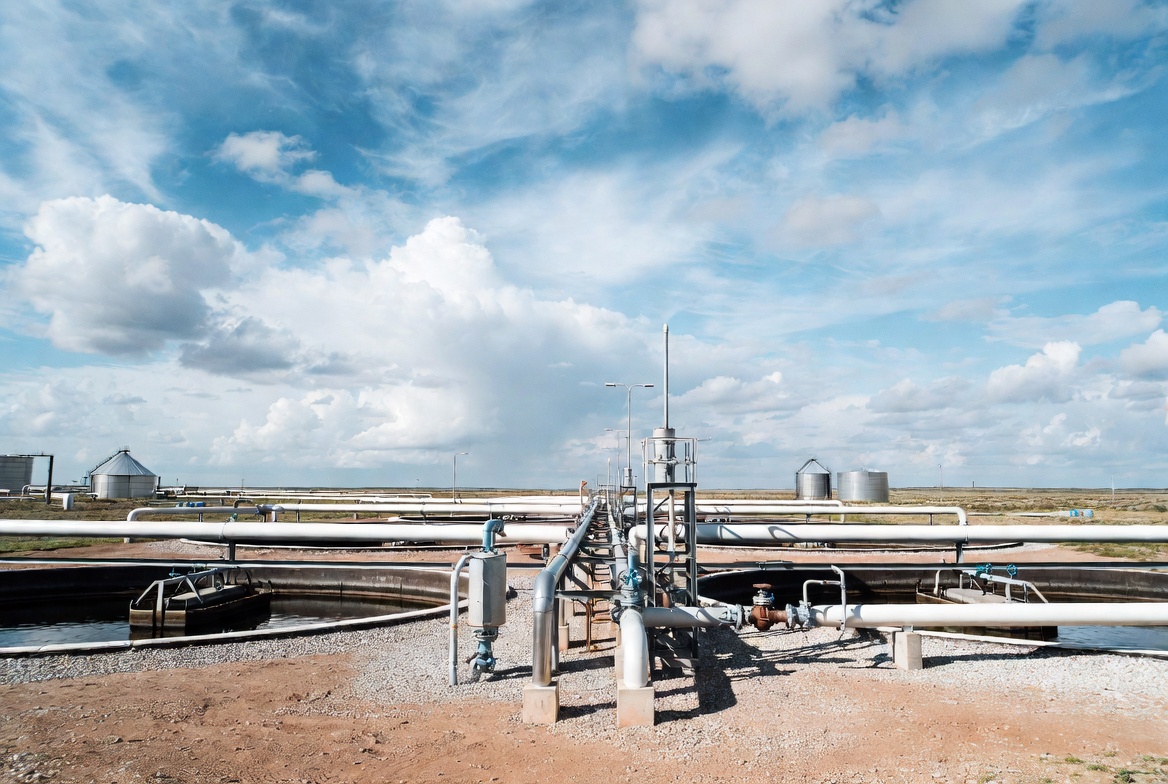
Record the existing process and actual conditions
Collect current drawings, operating flow and pressure records, elevations, tank levels and the conditions of equipment proposed for reuse. Identify known restrictions and unresolved measurements. Distinguish original design information from the installation as it operates today. A replacement or additional module selected from old documents alone may assume pressures, levels or flow paths that no longer exist after years of site modifications.
Ask for a coordinated hydraulic review
Show the proposed feed and outlet connections, connected equipment and required operating cases. Ask the responsible designer to assess the new module pressure requirements, losses and effect on upstream and downstream operation. Include low-flow, high-flow and changing tank-level cases where relevant. A connection with the right nominal size is not evidence that the system can deliver the required treatment flow or accept the resulting outlet conditions.
Assess pumps and utilities proposed for reuse
Identify existing transfer pumps, drives, instruments and utility systems that the retrofit depends on. Request condition and capacity checks against the new duty rather than assuming reuse is a cost-free option. If changes are needed, ask for the resulting equipment and control scope. Compare the complete installation alternatives, including auxiliaries outside the treatment vendor battery limits and engineering work that may belong to the purchaser.
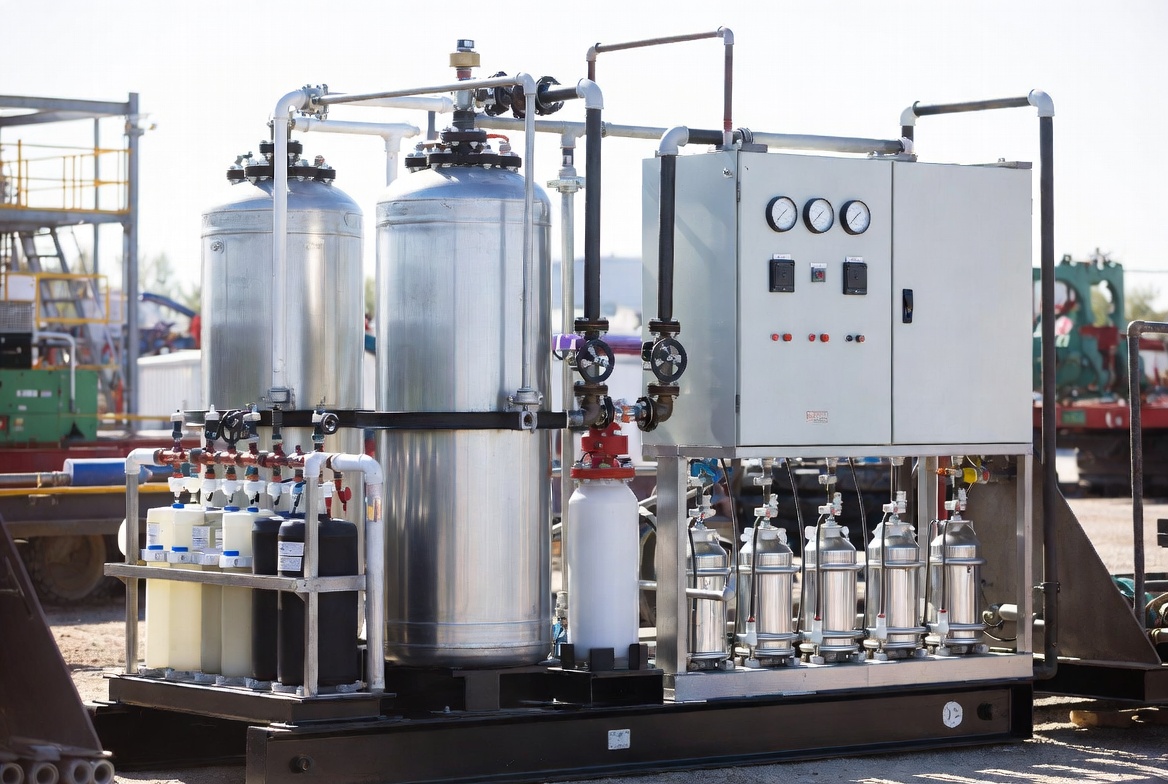
Price tie-in and interruption work explicitly
Define piping, supports, valves, electrical connections, control integration and any temporary treatment or storage required during installation. Agree the site access and shutdown planning responsibilities without inventing a universal retrofit duration. Separate factory assembly from field work. An offer excluding installation can remain useful, but the excluded work needs an owner and a commercial allowance before the module price is compared with a more integrated proposal.
Control drawings and verify the installed arrangement
Request approved interface drawings, a deviation register and the commissioning measurements needed to confirm the accepted hydraulic cases. Identify who updates the existing process documents and operating instructions. Keep any field changes subject to the responsible engineering review. Acceptance should establish that the new equipment works within the actual connected system, not merely that the supplied module passed isolated factory checks under a different arrangement.
Use one responsibility register through handover
List every tie-in, utility, control signal, approval and site activity with a named responsible party. Record information still needed from the operating facility and keep the accepted drawing revisions visible in the order. When a supplier proposes a change, review its effect on the wider hydraulic and operational boundaries. This avoids treating local piping adjustments, reused pumps or temporary operating arrangements as minor details when they determine whether the purchased treatment capacity can actually be delivered at site.
Put these items side by side in the bid review
| Purchase item | Question to resolve | Evidence to request |
|---|---|---|
| Existing system | Which data reflect the current installation? | Verified site survey and records |
| Hydraulics | What changes are required to sustain duty? | Coordinated hydraulic assessment |
| Site work | Who supplies each tie-in and approval? | Priced responsibility register |
Suggested wording for the quotation request
Please quote the proposed produced-water treatment retrofit using the attached current-site data and tie-in drawings. Review feed and outlet hydraulic cases, existing pumps and utilities, and required operating changes. Define new piping, controls, supports, temporary arrangements and shutdown-related work. Submit accepted interface drawings, deviations, commissioning measurements and a priced responsibility register separating supplied equipment from purchaser-managed integration and approval activities.
Compare the complete treatment duty rather than one advertised removal percentage. Keep representative water analyses, flow variation, required outlet quality and residual destinations together in the purchase specification. Identify what each proposed stage removes and what remains in the treated water, recovered oil and waste streams. Agree utility assumptions, operating responsibilities and configuration-specific evidence before ordering. Installation, chemical handling, sampling and maintenance must follow the accepted project design, supplier instructions and approved site procedures. Equipment selection does not itself authorize discharge, reuse or disposal.
For the wider equipment scope, consult the Oilfield Wastewater Treatment System: Commissioning Guide. Use the RFQ checklist to collect the supporting documents before requesting a configuration-specific quotation.
Buyer questions
Does matching pipe size establish a compatible retrofit?
No. Available pressure, losses, levels, flow variation, connected equipment and the actual installation all require review.
Should existing pumps be assumed suitable for reuse?
No. Their condition and capacity must be assessed against the accepted new operating cases and control arrangement.
Background and supplier contact
OSHA oil and gas extraction guidance offers related background, not certification of the equipment in a quotation. Applicability must be checked for the project and destination.
Explore the oilfield wastewater treatment system, browse all technical resources, or visit Vance Petroleum for company information. Request a treatment proposal with the water analysis, treatment flow and required outlet quality.