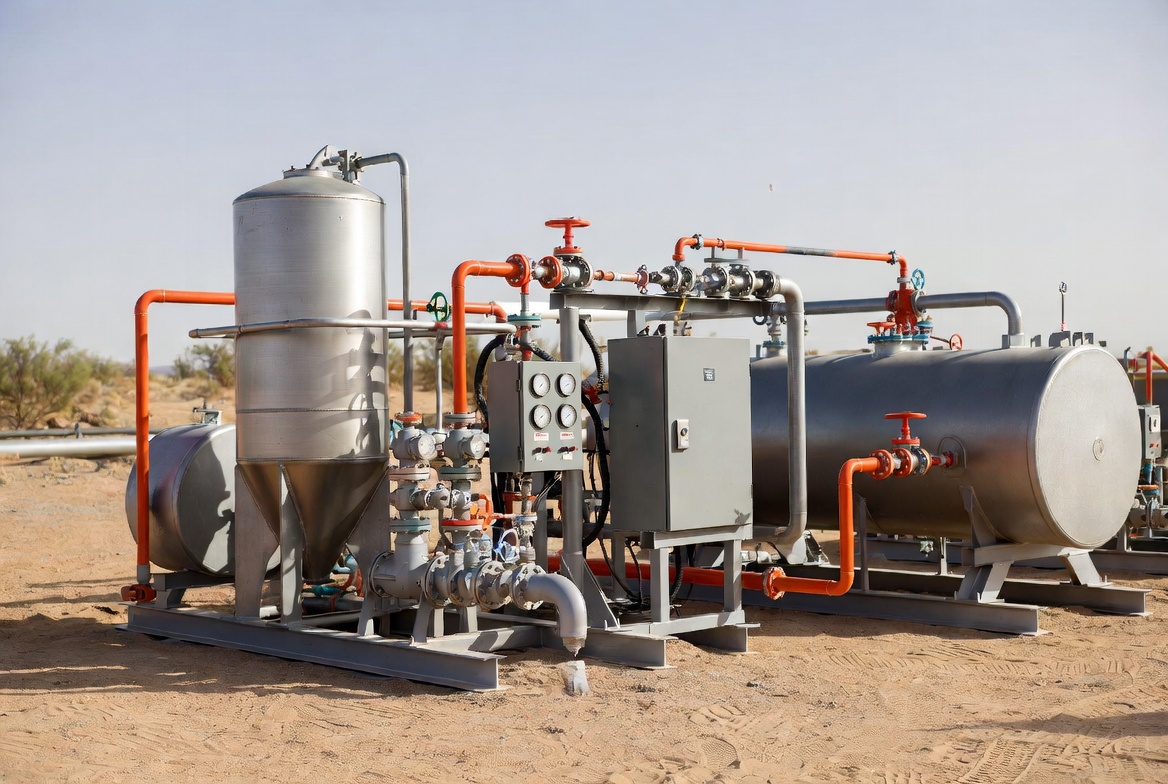
Provide the offshore installation basis
Identify the installation type, available space, environmental conditions and any motion or loading requirements supplied by the responsible project designers. Include operating and maintenance access, transport and handling constraints. A small shipping footprint does not define the complete installed arrangement. Ask the bidder to identify accepted inputs and unresolved requirements before using a general compact-package description as evidence that the equipment can be installed and operated at the intended location.
Confirm the water duty and destination
Submit representative produced-water data, operating variation, upstream chemicals and the intended outlet route. Obtain the actual destination requirements and accepted analytical basis from the responsible project parties. Do not transfer a numerical limit from unrelated shipboard or onshore service. Offshore location alone does not define the treatment performance needed, and a supplier should connect its proposed process to the actual project water and receiving requirements.
Review installed loads and mechanical interfaces
Request the selected equipment layout, masses, support reactions and interface information required by the structural and piping designers. Include retained liquids, operating and maintenance cases where applicable. Ask how the proposed process and equipment are assessed against specified motion or environmental conditions. A catalogue dry weight or a similar reference installation is not a substitute for the supplied configuration documents and coordinated acceptance of the actual installation.
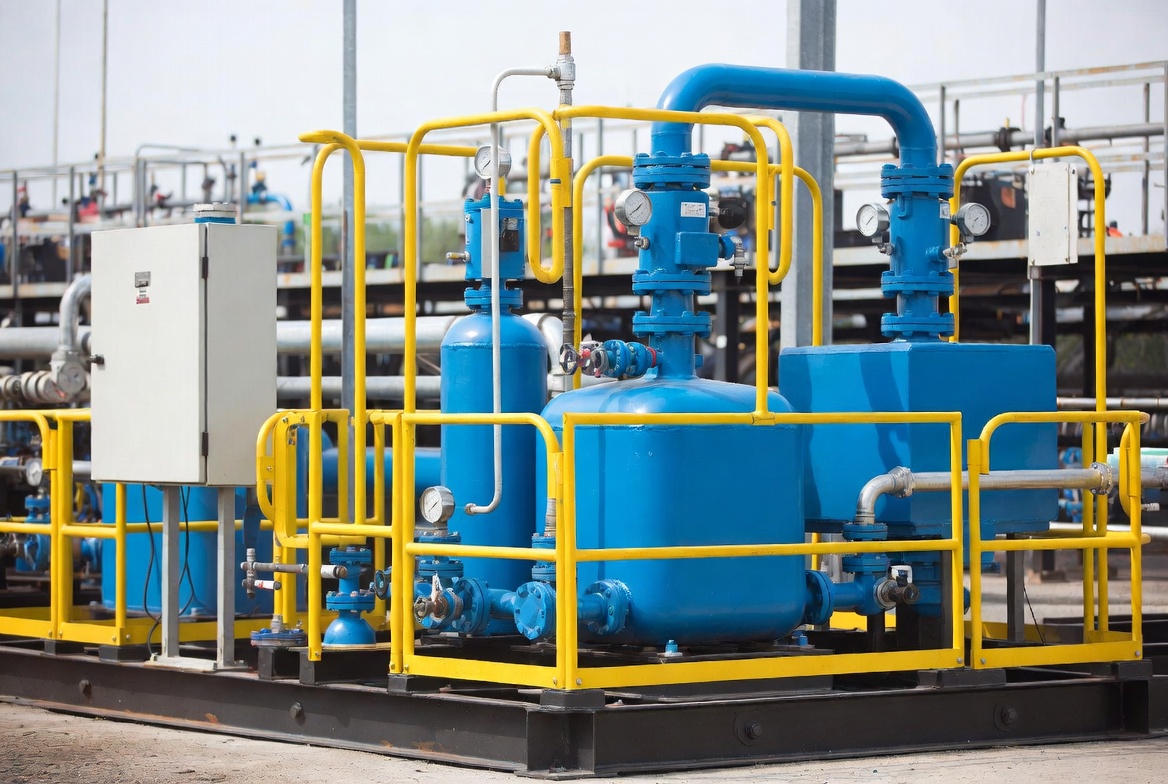
Coordinate utilities, classification and residual routes
Provide available power, service water, gas or other utilities with their conditions and restrictions. Identify approved classification requirements and the responsibilities for reviewing all supplied items. Request the destinations and interfaces for recovered oil, sludge, cleaning streams and collected gas where relevant. An offshore package quote that excludes those connections may leave substantial project work outside the vendor scope, even if the core separator appears complete.
Evaluate evidence and handover at the project boundary
Ask for the inspection, documentation, factory checks and site verification proposed for the selected package. Distinguish evidence for individual components from review of the complete installation. Confirm maintenance access, spare-parts identification, operating documents and support responsibilities. Keep deviations against the project specifications visible through manufacture and delivery rather than allowing broad offshore-ready or certified-package descriptions to replace configuration-specific technical acceptance.
Compare complete installed packages
Use a common interface register covering process connections, structural inputs, electrical systems, controls, utilities, access and residual destinations. Ask each supplier to price its included equipment and identify excluded engineering and site work. A lower-priced compact unit may require additional modules or services elsewhere on the facility. Technical acceptance must come before a commercial comparison based on footprint or weight, and any proposed alternative should be reviewed against the same offshore installation and water-treatment requirements.
Put these items side by side in the bid review
| Purchase item | Question to resolve | Evidence to request |
|---|---|---|
| Installation | What loads and environmental cases are accepted? | Project-specific interface data |
| Water | Which destination requirements apply? | Accepted treatment and analytical basis |
| Scope | Who closes utility and residual connections? | Complete installed-package register |
Suggested wording for the quotation request
Please quote an offshore produced-water package against the attached water duty and platform specifications. Identify accepted motion, environmental, load and space inputs, supported treatment conditions and complete installed interfaces. Define utilities, classification documentation, residual destinations, access and maintenance provisions. Provide configuration-specific drawings, inspection and verification scope, deviations and purchaser responsibilities. Do not substitute a general offshore reference for confirmation of this project arrangement.
Compare the complete treatment duty rather than one advertised removal percentage. Keep representative water analyses, flow variation, required outlet quality and residual destinations together in the purchase specification. Identify what each proposed stage removes and what remains in the treated water, recovered oil and waste streams. Agree utility assumptions, operating responsibilities and configuration-specific evidence before ordering. Installation, chemical handling, sampling and maintenance must follow the accepted project design, supplier instructions and approved site procedures. Equipment selection does not itself authorize discharge, reuse or disposal.
For the wider equipment scope, consult the Oilfield Wastewater Treatment System: Configuration Guide. Use the RFQ checklist to collect the supporting documents before requesting a configuration-specific quotation.
Buyer questions
Does a compact skid automatically meet offshore requirements?
No. Loads, motion where relevant, environment, utilities, access, classification and project documentation require specific review.
Can an unrelated marine oil limit define produced-water acceptance?
No. Use the actual project destination requirements and agreed analytical basis, not a limit copied from another service.
Background and supplier contact
Produced-water treatment technology background offers related background, not certification of the equipment in a quotation. Applicability must be checked for the project and destination.
Explore the oilfield wastewater treatment system, browse all technical resources, or visit Vance Petroleum for company information. Request a treatment proposal with the water analysis, treatment flow and required outlet quality.