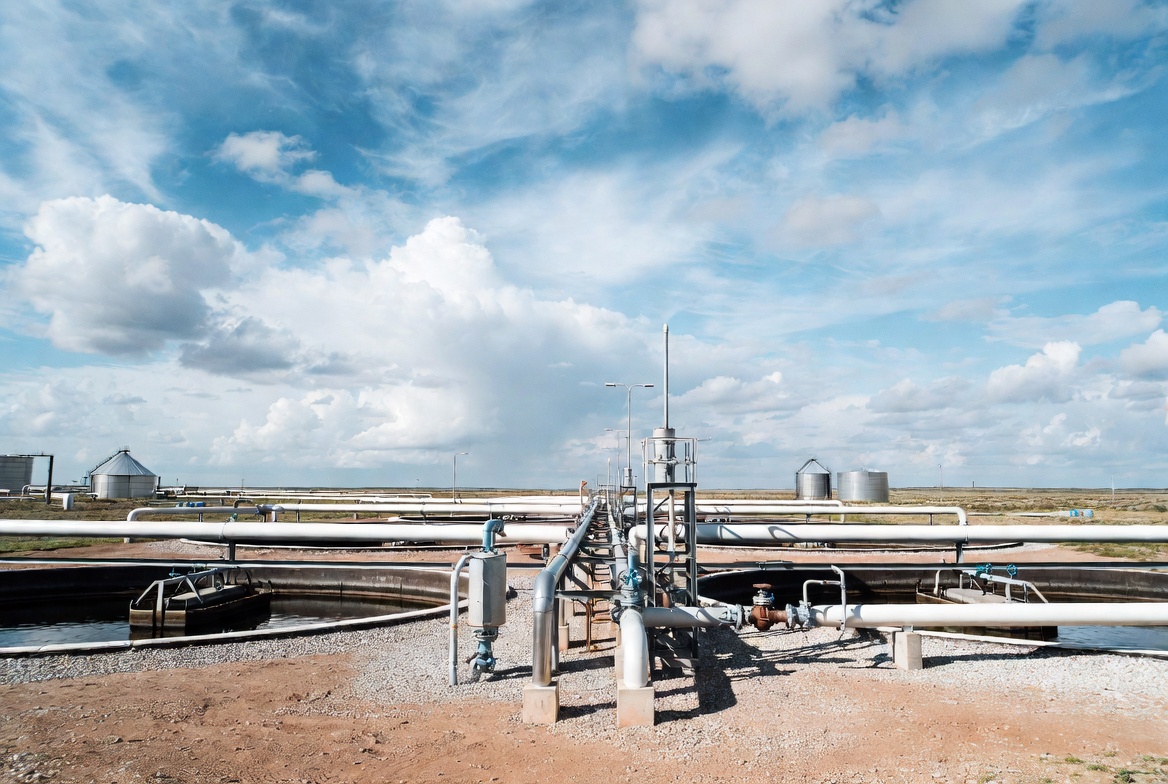
Describe temperature across actual operating cases
Provide normal, maximum, starting and changing temperature conditions together with flow and water chemistry. Identify where each temperature is measured and any upstream cooling or storage. Ask the supplier to state the accepted conditions at each proposed stage. A generic high-temperature description does not establish that every seal, instrument, medium or membrane in the treatment train supports the same exposure or operating cycle.
Review temperature-sensitive treatment functions
Ask how the actual temperature affects the proposed separation, conditioning, filtration and other selected stages. Require component and chemical compatibility to be assessed against the submitted water. Do not assume that a warmer feed improves the performance of every process or that a component substitution leaves the rest of the package unchanged. Keep the selected materials, operating limits and evidence traceable to the specific configuration offered for purchase.
Define the cooling equipment and utility boundary
If cooling is required, request the accepted duty, selected equipment, utility conditions and installation requirements. Identify who supplies circulation, controls, piping and external services. Ask the responsible designer to assess different ambient and operating cases. A treatment skid can depend on cooling capacity that is not included in its price, so any assumed site resource should be verified and assigned before the complete proposals are compared commercially.
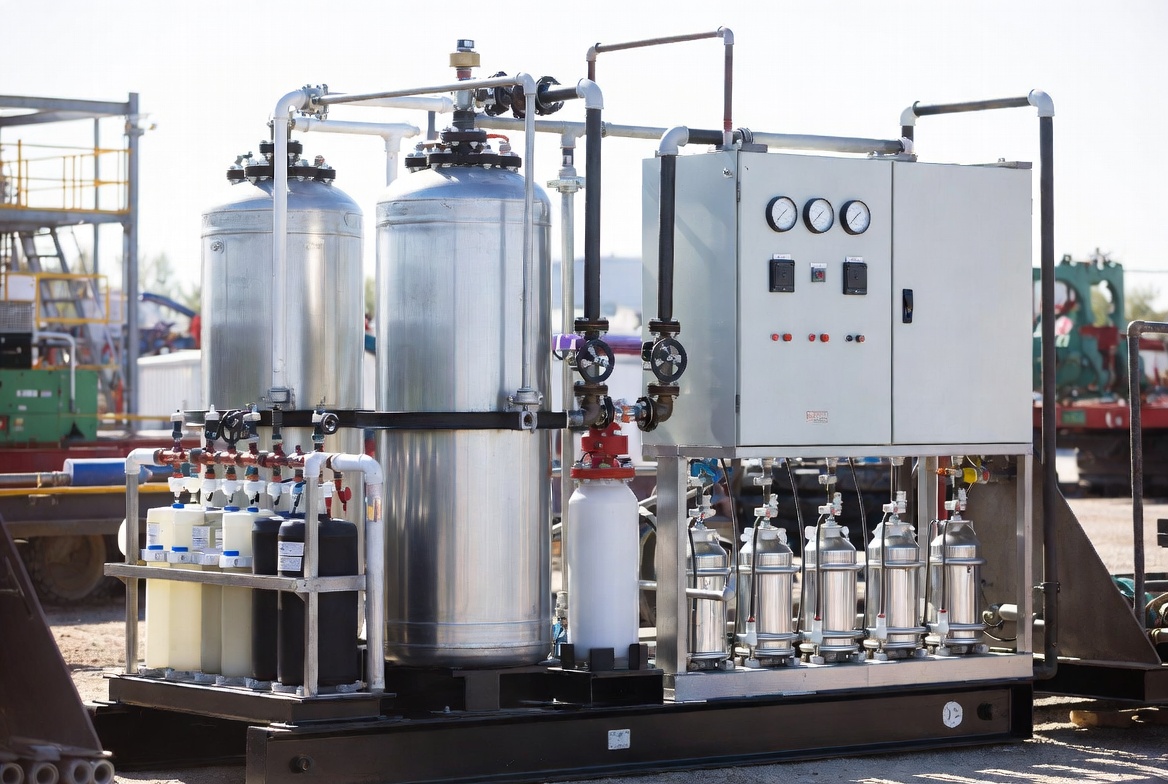
Treat heat recovery as a separate coordinated duty
Where recovered heat has a potential use, obtain the receiving-process requirements and operating schedule. Ask what additional equipment, controls and separation boundaries are needed. Do not assign guaranteed energy savings from the existence of a hot stream alone. The receiving demand, temperature conditions, availability and integration work determine whether the proposed recovery arrangement can support a useful and accepted project outcome.
Agree transient and acceptance responsibilities
Identify startup, shutdown and changing-temperature cases that require supplier instructions and project review. State how temperature, utility demand and treatment performance will be measured for acceptance. Request operating limits, component references and cleaning requirements for the delivered configuration. Preserve assumptions about site cooling and receiving heat use so later changes can be assessed rather than treating the original thermal selection as valid for any installation or water condition.
Compare net treatment and utility costs together
List cooling equipment, site utility modifications, auxiliary power, cleaning and any heat-recovery integration separately. Evaluate the treatment result at the same accepted feed and outlet boundary for every offer. If energy savings are proposed, identify the actual receiving demand and distinguish calculated scenarios from measured or contractual commitments. A supported thermal arrangement can improve a project, but a preliminary heat-recovery concept should not conceal equipment exclusions or become an unsupported payback promise in the purchase evaluation.
Put these items side by side in the bid review
| Purchase item | Question to resolve | Evidence to request |
|---|---|---|
| Temperature | Which cases are accepted by each stage? | Stage-specific operating limits |
| Cooling | What site utilities are assumed? | Coordinated thermal-duty schedule |
| Recovery | Is there a confirmed receiving demand? | Heat-interface and responsibility review |
Suggested wording for the quotation request
Please select treatment equipment for the attached hot produced-water chemistry, flow and temperature cases. Identify limits for each stage, materials and chemical compatibility, required cooling equipment and assumed site utilities. Define any optional heat-recovery interface separately, including receiving requirements and integration work. Provide transient operating requirements, thermal and treatment acceptance evidence, documents and a priced scope identifying purchaser-supplied equipment and unconfirmed utility assumptions.
Compare the complete treatment duty rather than one advertised removal percentage. Keep representative water analyses, flow variation, required outlet quality and residual destinations together in the purchase specification. Identify what each proposed stage removes and what remains in the treated water, recovered oil and waste streams. Agree utility assumptions, operating responsibilities and configuration-specific evidence before ordering. Installation, chemical handling, sampling and maintenance must follow the accepted project design, supplier instructions and approved site procedures. Equipment selection does not itself authorize discharge, reuse or disposal.
For the wider equipment scope, consult the Oilfield Wastewater Treatment System: Utility Planning. Use the RFQ checklist to collect the supporting documents before requesting a configuration-specific quotation.
Buyer questions
Does a high-temperature vessel rating cover the full treatment train?
No. Seals, instruments, media, membranes, chemicals and supporting systems need their own configuration-specific review.
Can a hot feed be assigned automatic heat-recovery savings?
No. Useful recovery depends on a compatible receiving demand, supported temperatures, availability and complete integration scope.
Background and supplier contact
Produced-water treatment technology background offers related background, not certification of the equipment in a quotation. Applicability must be checked for the project and destination.
Explore the oilfield wastewater treatment system, browse all technical resources, or visit Vance Petroleum for company information. Request a treatment proposal with the water analysis, treatment flow and required outlet quality.