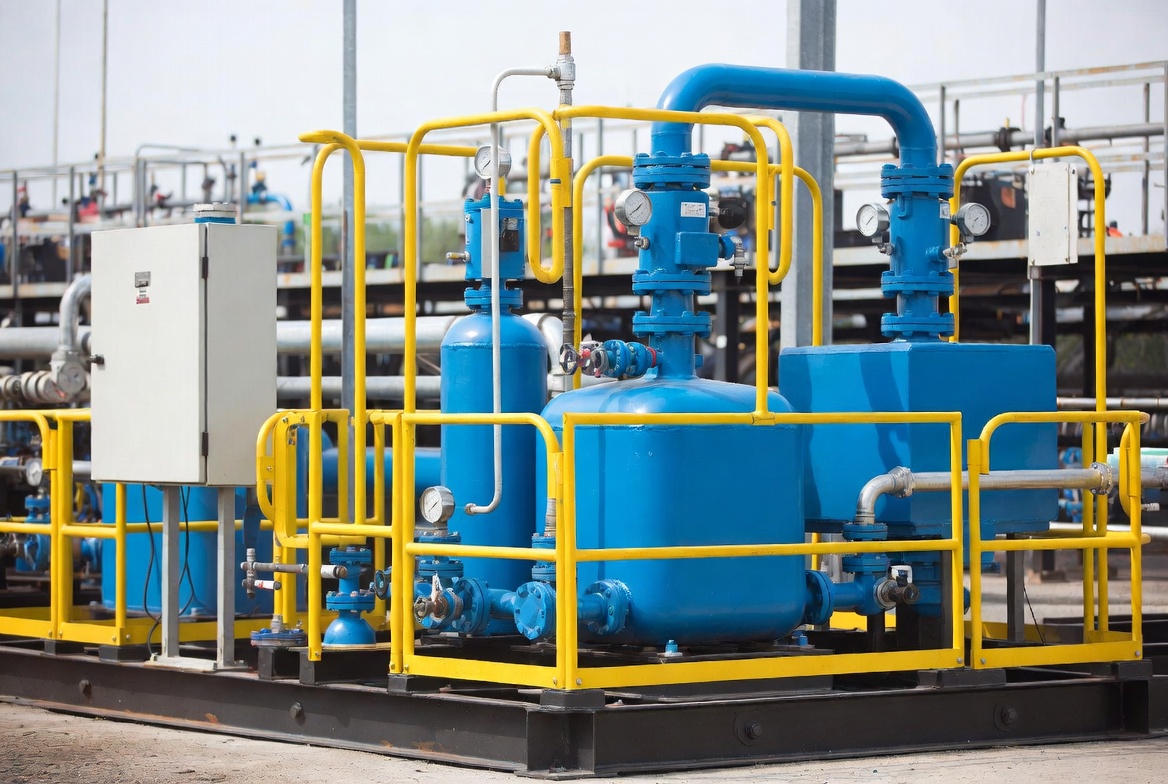
Define the polishing objective and inlet limits
State the outlet requirements relevant to the receiving process and provide the expected oil, solids, temperature and chemistry at the filter inlet. Identify upstream separation and possible upset conditions. Ask the supplier to confirm what feed range the proposed medium and cycle can accept. A final outlet target should not be treated as evidence that a polishing filter can receive untreated produced water with an unspecified oil and solids load.
Compare the complete filtration arrangement
Request vessel dimensions and configuration, media inventory, internal components, connections and the proposed operating range. Identify parallel units or other provisions required for the stated availability. Ask how capacity is maintained when a unit is being serviced or cleaned. The number of vessels and their operating sequence affect the installed scope, so a price for one vessel should not be compared directly with a complete duty-and-cleaning arrangement.
Include backwash and media-cleaning equipment
Ask the supplier to identify the backwash method, required water, pumps, piping, valves and controls included with the package. Review the expected cleaning stream and its destination with the process designer. Do not assume that site water already meets the backwash requirements or that returning spent wash water upstream has no consequence. Those assumptions belong in the accepted water balance and equipment selection before purchase.
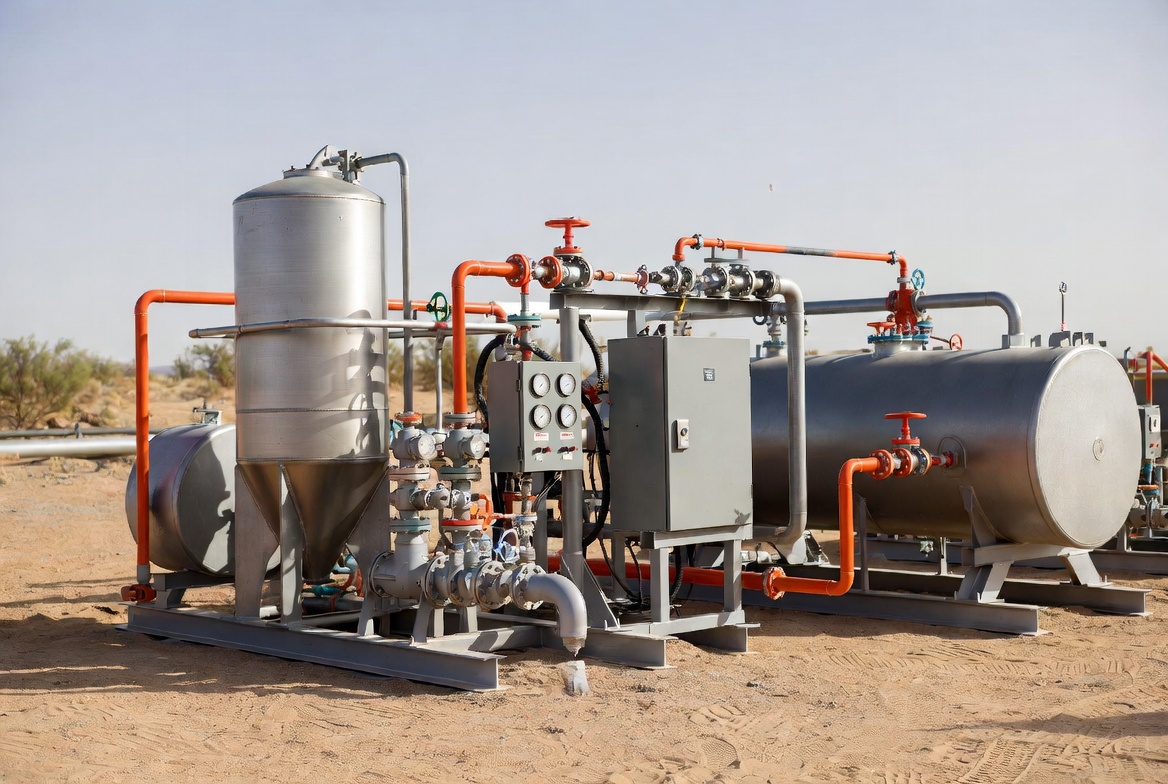
Evaluate media and service costs
Request the supplied media specification, initial fill, replenishment or replacement assumptions and approved spare references. Ask what inspection and cleaning records are needed to judge media condition. A proposed long media life should be connected to actual feed and operating evidence, not treated as a universal interval. Include labor, cleaning utilities and residual handling when comparing ownership costs rather than focusing on the unit price of replacement media alone.
Agree acceptance and operating documents
Define the water and operating conditions used for performance verification, along with the analytical methods and service state of the filter. Identify what can be checked at the factory and what requires site water. Request the complete sequence, control interfaces, inspection records and maintenance instructions. Preserve the approved assumptions so future changes to upstream chemicals, feed load or backwash routing trigger a review rather than silently changing the treatment duty.
Ask for a priced scope and utility table
List vessels, media, pumps, cleaning equipment, valves, instruments, controls, initial spares and external tanks separately. State the utilities and downstream handling supplied by the purchaser. Compare quotations using the same accepted feed and outlet objective. If a supplier excludes wash-water treatment or service access provisions, assign and price them elsewhere. This makes the purchase comparison reflect a working filtration system instead of an incomplete equipment list with the remaining integration cost hidden.
Put these items side by side in the bid review
| Purchase item | Question to resolve | Evidence to request |
|---|---|---|
| Filtration | What feed and service state are accepted? | Configuration and duty sheet |
| Cleaning | What backwash equipment is included? | Sequence and stream balance |
| Cost | Which external items remain unpriced? | Complete priced scope table |
Suggested wording for the quotation request
Please quote a nutshell filtration package for the attached produced-water polishing duty. Identify vessels, media, supported inlet conditions and required operating sequence. Include the cleaning and backwash system, utilities, controls, residual-stream assumptions and maintenance access. Price initial media and spares separately and state replacement assumptions. Provide configuration-specific verification, operating documents and a clear list of purchaser-supplied equipment and excluded integration work.
Compare the complete treatment duty rather than one advertised removal percentage. Keep representative water analyses, flow variation, required outlet quality and residual destinations together in the purchase specification. Identify what each proposed stage removes and what remains in the treated water, recovered oil and waste streams. Agree utility assumptions, operating responsibilities and configuration-specific evidence before ordering. Installation, chemical handling, sampling and maintenance must follow the accepted project design, supplier instructions and approved site procedures. Equipment selection does not itself authorize discharge, reuse or disposal.
For the wider equipment scope, consult the Produced Water Reinjection: Selecting Filtration Targets. Use the RFQ checklist to collect the supporting documents before requesting a configuration-specific quotation.
Buyer questions
Is the filter vessel price the complete installed cost?
Not necessarily. Backwash, controls, pumps, tanks, piping, media, utilities and residual handling may fall outside it.
Can spent backwash always be returned upstream?
No. The receiving process capacity, oil and solids loading and complete water balance must support the proposed return.
Background and supplier contact
Produced-water treatment technology background offers related background, not certification of the equipment in a quotation. Applicability must be checked for the project and destination.
Explore the oilfield wastewater treatment system, browse all technical resources, or visit Vance Petroleum for company information. Request a treatment proposal with the water analysis, treatment flow and required outlet quality.