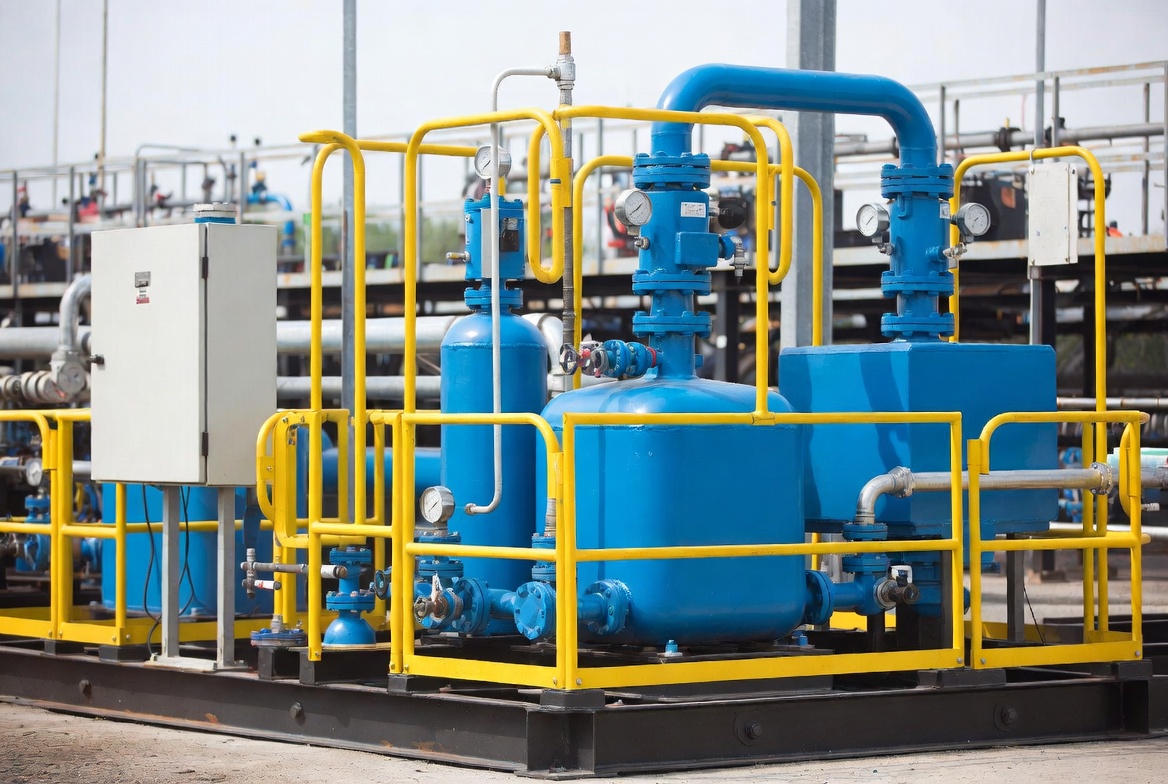
Define membrane feed rather than raw-water labels
Provide the water composition and variation at the proposed module inlet, including oil behavior, solids, salinity, temperature and upstream chemical carryover. Identify any pretreatment already installed and possible upset conditions. Ask the supplier for accepted membrane-feed limits and missing characterization. Describing the source only as produced water does not establish compatibility, and a pretreatment assumption should not remain implicit in a fixed-price module quotation.
Distinguish membrane materials and configuration
Request the specific membrane type, module arrangement, seals and wetted materials offered. Ask how those choices support the actual liquid and cleaning conditions. Different materials and configurations can require different operating and maintenance provisions, so they should not be compared by a technology label alone. Keep selected component identifiers and accepted alternatives in the purchase documents to control later replacements and changes in the supplied assembly.
Compare net output over the operating cycle
Ask the supplier to state the feed basis, operating conditions and complete cycle used to calculate delivered water. Include backwash, cleaning, downtime and other internal water demand. A momentary production figure is not necessarily the net flow available to the receiving process over a day. Review any standby or balancing provision required to maintain that process and distinguish accepted continuous output from a preliminary module capacity estimate.
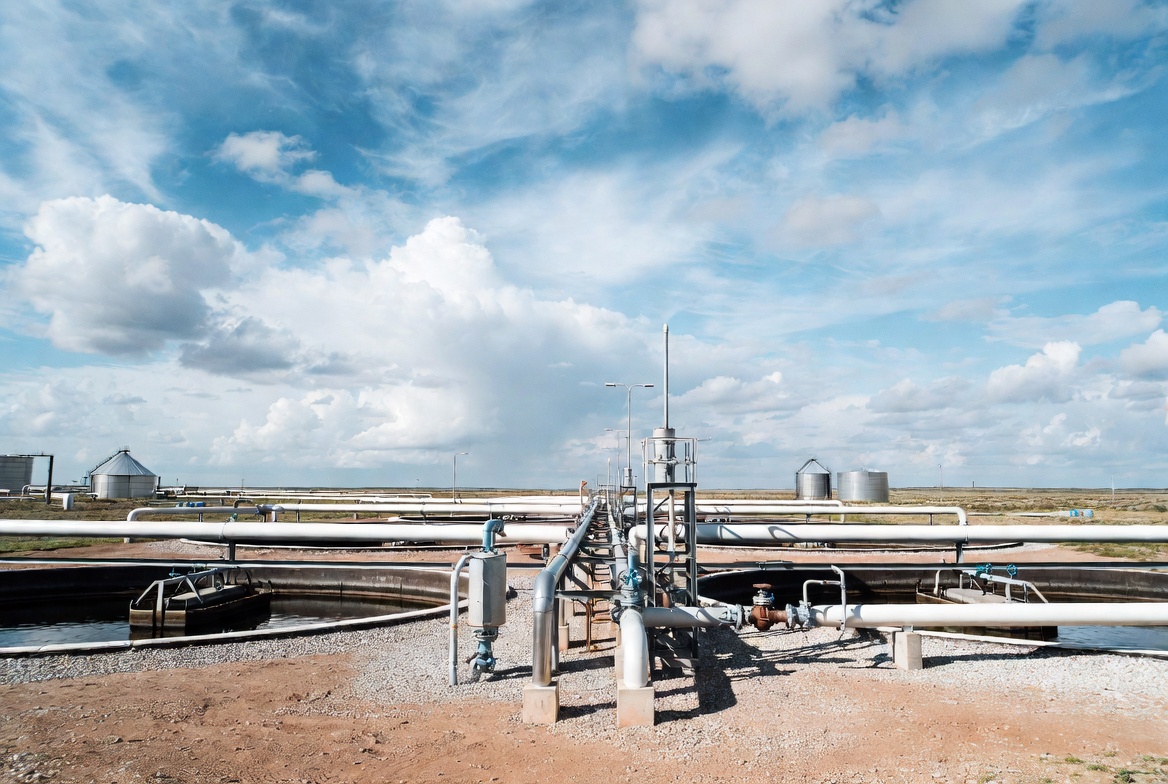
Include cleaning and residual management
Identify cleaning systems, chemicals, water quality, tanks, pumps and disposal responsibilities inside and outside the offer. Ask for the approved cleaning method and membrane compatibility limits without inventing a generic chemical recipe. Review concentrate and spent-cleaning streams as part of the complete residuals plan. A membrane module does not make retained oil, solids or chemical waste disappear, and those streams can materially affect site scope and operating cost.
Require useful performance and replacement evidence
Ask for trial or operating evidence relevant to the submitted feed, with the duration, pretreatment and cleaning assumptions stated. Confirm how acceptance will distinguish new-membrane performance from sustained operation under the agreed cycle. Request membrane identifiers, initial spares, storage instructions and replacement pricing. Keep life estimates conditional on their evidence and define the process for approving any later change in membrane material or module configuration.
Separate particulate separation from desalination
Ultrafiltration should not be described as automatically removing dissolved salts. State the duty of the downstream process and identify any dissolved constituents that need further treatment. Compare the membrane proposal with other polishing options using the same water and destination requirements. If an alternative train is proposed, review total net output, cleaning demand, residuals and integration work before comparing equipment price. The accepted selection needs a defensible process role, not simply an advanced-technology description.
Put these items side by side in the bid review
| Purchase item | Question to resolve | Evidence to request |
|---|---|---|
| Feed | What pretreatment and limits are assumed? | Accepted membrane-feed sheet |
| Output | Is capacity net of cleaning? | Cycle-based water balance |
| Replacement | Which modules and chemicals are supported? | Tagged service and spare schedule |
Suggested wording for the quotation request
Please assess an ultrafiltration package for the attached oilfield wastewater conditions. Identify the membrane and module configuration, accepted inlet limits and required pretreatment. State net treated-water output across the complete operating cycle, cleaning and backwash scope, concentrate and spent-cleaning streams. Provide relevant evidence, acceptance assumptions, membrane replacement references and prices, storage requirements and purchaser-supplied utilities and handling responsibilities.
Compare the complete treatment duty rather than one advertised removal percentage. Keep representative water analyses, flow variation, required outlet quality and residual destinations together in the purchase specification. Identify what each proposed stage removes and what remains in the treated water, recovered oil and waste streams. Agree utility assumptions, operating responsibilities and configuration-specific evidence before ordering. Installation, chemical handling, sampling and maintenance must follow the accepted project design, supplier instructions and approved site procedures. Equipment selection does not itself authorize discharge, reuse or disposal.
For the wider equipment scope, consult the Oilfield Wastewater Treatment System: Configuration Guide. Use the RFQ checklist to collect the supporting documents before requesting a configuration-specific quotation.
Buyer questions
Does ultrafiltration automatically remove dissolved salinity?
No. Its stated separation duty must be distinguished from desalination and other dissolved-constituent treatment.
What capacity should be compared between quotations?
Compare net treated-water delivery over the agreed cycle, including cleaning, internal water use and operating interruptions.
Background and supplier contact
Produced-water treatment technology background offers related background, not certification of the equipment in a quotation. Applicability must be checked for the project and destination.
Explore the oilfield wastewater treatment system, browse all technical resources, or visit Vance Petroleum for company information. Request a treatment proposal with the water analysis, treatment flow and required outlet quality.