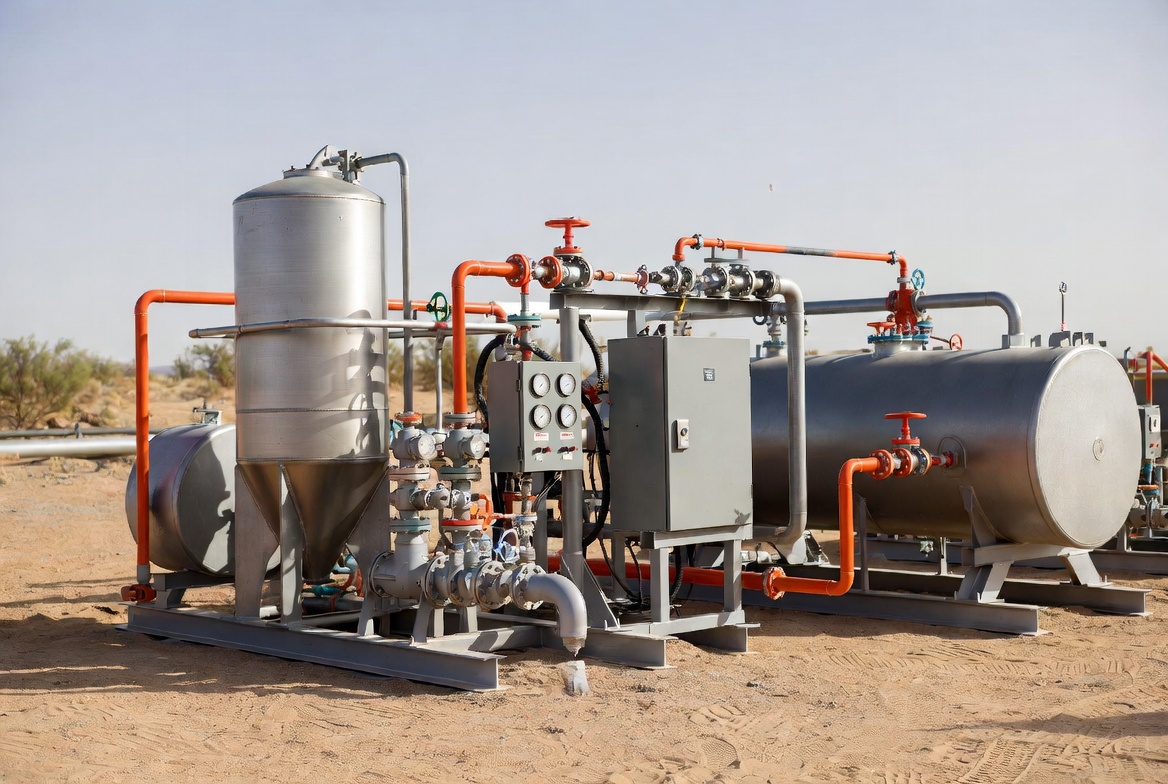
Identify the uncertainty the pilot must resolve
State the process questions that prevent final equipment selection, such as separation behavior, cleaning demand, consumable use or outlet quality under changing feed. Connect each question to a measurement and acceptance decision. A pilot that merely shows equipment running may provide little procurement value. Ask the supplier to distinguish what its proposed trial can establish from issues that still require engineering analysis or further representative operating evidence.
Make the feed and operating cases representative
Provide the planned source water, variability, upstream chemicals, temperature and operating schedule. Identify how pilot feed will be collected or supplied and what could change before full-scale operation. A stored or prepared sample may differ from the actual continuous stream. Record those limitations and agree how they affect the conclusions, rather than assuming that one convenient water sample establishes the complete accepted feed envelope for a future plant.
Define the equipment and service boundary
Request the pilot configuration, pretreatment, tanks, pumps, instruments, utilities and residual handling included in the offer. Identify site assistance, chemicals, analytical work and operator attendance supplied by each party. State temporary installation and removal responsibilities. A low pilot equipment price may exclude the services needed to obtain useful evidence, so compare the complete trial arrangement rather than the skid or container alone.
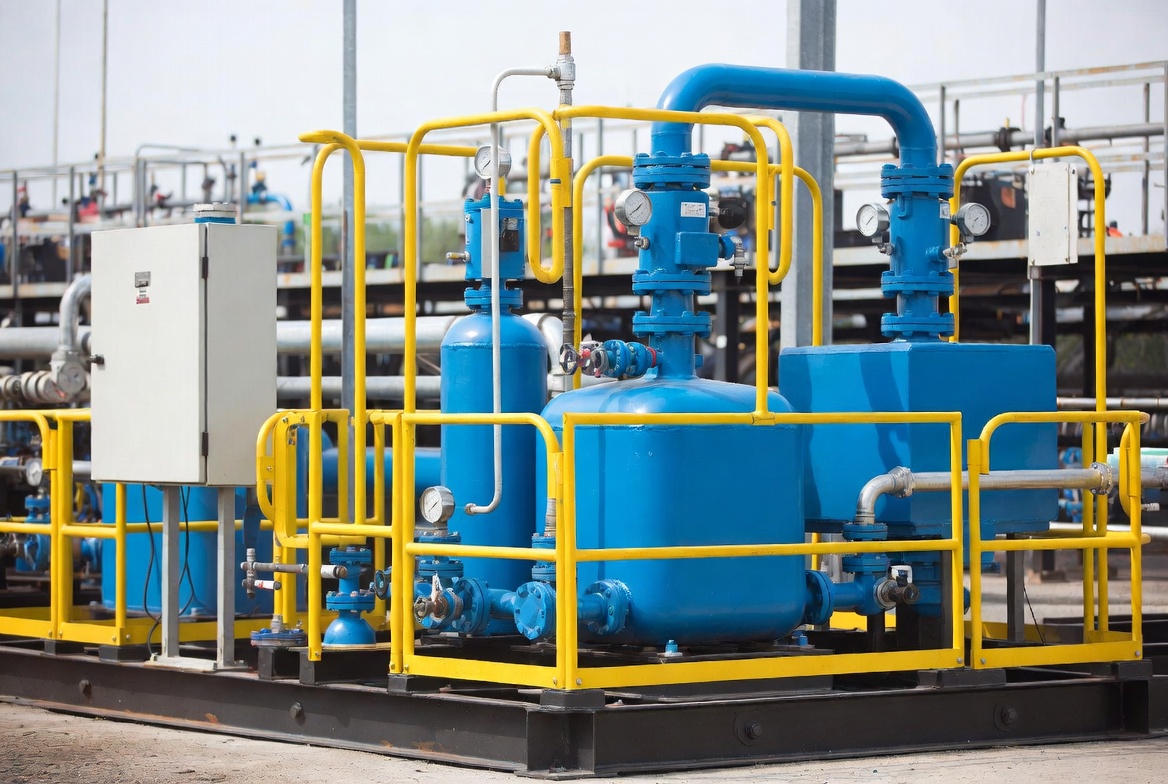
Measure the complete operating cycle
Agree the trial duration and operating cases needed for the stated questions, including cleaning or interruption effects where relevant. Request feed, product and residual balances, utility and consumable records and the agreed analytical methods. Avoid extrapolating sustained operation from an initial favorable result. The evidence should show what happened under the documented conditions and identify any performance or operating behavior that remained unobserved during the trial.
Agree scale-up and full-scale approval deliverables
Ask which assumptions connect pilot results to the proposed full-scale configuration and who reviews them. Identify differences in geometry, controls, feed handling or operating conditions that need further assessment. Require the report, raw records, deviations and revised selection documents needed for the purchase decision. A successful pilot is one evidence source, not an automatic guarantee that a different full-scale arrangement will meet every future operating requirement without additional review.
Separate the pilot contract from the plant commitment
Define the pilot deliverables, equipment ownership or return conditions, site responsibilities and the decision process for any later order. State whether commercial credits or follow-on engineering are offered, without assuming they apply. Preserve data access and the right to review unresolved results before final selection. The aim is a technically supported full-scale specification with uncertainty reduced, rather than a demonstration whose attractive headline results cannot be connected to a priced and accepted operating configuration.
Put these items side by side in the bid review
| Purchase item | Question to resolve | Evidence to request |
|---|---|---|
| Purpose | Which purchase uncertainty is being tested? | Question-to-measurement plan |
| Evidence | Are full cycles and residuals measured? | Controlled trial records |
| Scale-up | What assumptions support the plant selection? | Reviewed full-scale design basis |
Suggested wording for the quotation request
Please quote a pilot treatment arrangement addressing the attached produced-water selection questions. Define representative feed, operating cases, duration, equipment, utilities, analytical services and residual handling. Identify measurements, data deliverables, site responsibilities and trial limitations. Explain the assumptions and further engineering needed for full-scale selection, with explicit purchase decision gates. Separate pilot commercial terms from any later plant order and identify unresolved conditions before claiming full-scale applicability.
Compare the complete treatment duty rather than one advertised removal percentage. Keep representative water analyses, flow variation, required outlet quality and residual destinations together in the purchase specification. Identify what each proposed stage removes and what remains in the treated water, recovered oil and waste streams. Agree utility assumptions, operating responsibilities and configuration-specific evidence before ordering. Installation, chemical handling, sampling and maintenance must follow the accepted project design, supplier instructions and approved site procedures. Equipment selection does not itself authorize discharge, reuse or disposal.
For the wider equipment scope, consult the Oilfield Wastewater Treatment System Manufacturer Guide. Use the RFQ checklist to collect the supporting documents before requesting a configuration-specific quotation.
Buyer questions
Does a successful short demonstration guarantee full-scale performance?
No. Representativeness, operating cycles, scale-up assumptions and the actual full-scale configuration require review.
What should a pilot deliver beyond treated-water samples?
Require operating context, analytical records, complete stream balances, utility and consumable data, deviations and a documented interpretation of remaining uncertainty.
Background and supplier contact
Produced-water treatment technology background offers related background, not certification of the equipment in a quotation. Applicability must be checked for the project and destination.
Explore the oilfield wastewater treatment system, browse all technical resources, or visit Vance Petroleum for company information. Request a treatment proposal with the water analysis, treatment flow and required outlet quality.